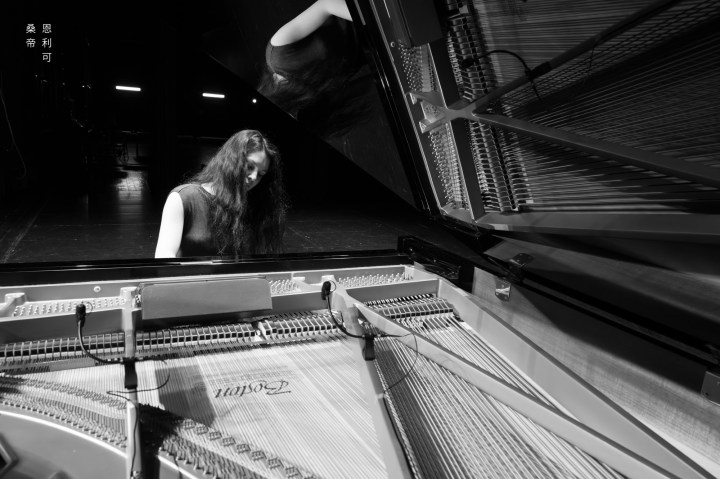

I am very happy to have been selected among the scholarship holders to play at the Internationales Stipendiatenkonzert in Bayreuth next 16th August 2025.
Puccini and Schubert/Liszt on the musical menu.
I am very happy to have been selected among the scholarship holders to play at the Internationales Stipendiatenkonzert in Bayreuth next 16th August 2025.
Puccini and Schubert/Liszt on the musical menu.
Ogni anno, quando arriva il momento di annunciare il programma di Herbst Musicaux Festival, ripenso a tutte le persone, le idee e le emozioni che lo hanno reso possibile.
Gli incontri, i libri letti, le idee notturne, le visioni che sembrano irrealizzabili, ma che trovano strada.
Quest’anno il filo che lega ogni concerto è Metamorphosis: non un tema scelto a tavolino, ma una parola che è nata strada facendo, osservando come la musica trasformi non solo chi l’ascolta… ma anche chi la fa. Un tema che prosegue un percorso.
Ho avuto il privilegio di lavorare con artisti straordinari, di intrecciare repertori e linguaggi, di lasciarmi sorprendere. Di accostare forme artistiche, di testimoniare talenti, di ascoltare tanta musica viva dal vivo.
Dal 30 agosto al 27 settembre ci ritroveremo a Verona per condividere questa metamorfosi.
A volte la bellezza non è un traguardo, ma un modo di vedere.
Vi aspettiamo all’ottava edizione di Herbst Musicaux, dal 30 agosto al 27 settembre a Verona.
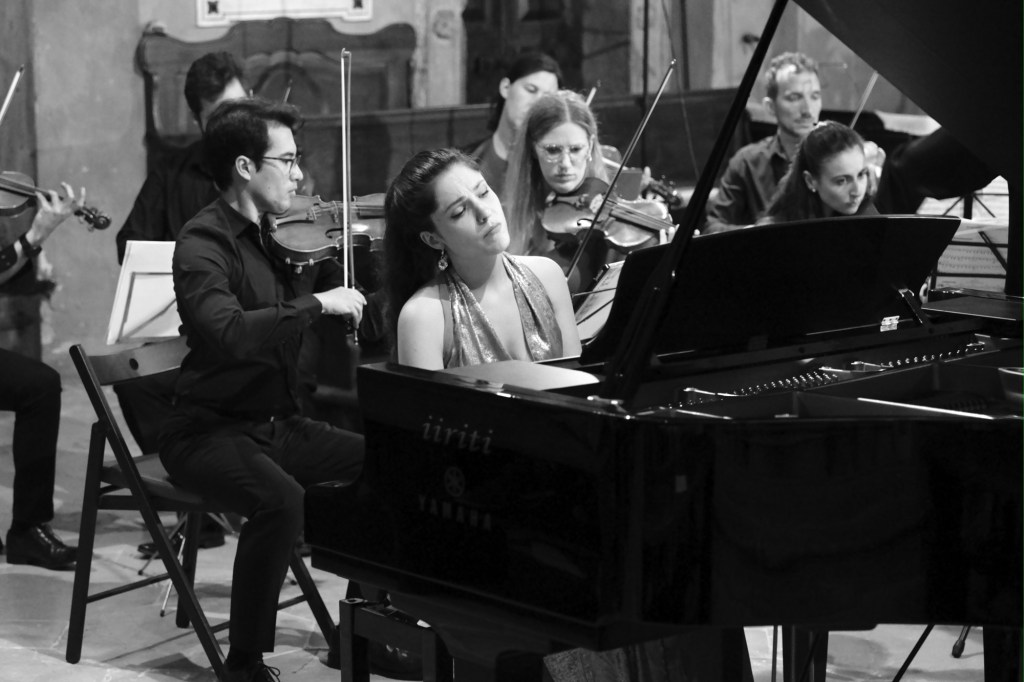
It was a beautiful experience to play again the gorgeous Haydn Piano Concerto in D dur with the conductor Dario Silveri and Camerata Di Arco.
This piece of music is a true gem of the classical repertoire, seamlessly blending the sacred and the profane.
Thank you to International Chamber Music Festival Garda Lake for inviting us.
by Guido Krawinkel (July 22, 2025)
The new CD by Margherita Santi impresses with virtuosity and a refined dramatic sensibility.
A fantasy piece is always at least somewhat improvisational—after all, “fantasizing” and playing in the moment birthed this genre. Free paraphrasing opens space and allows freedom.
Composers have long used this: Ludwig van Beethoven, for instance, who loved to break genre boundaries, or Frédéric Chopin, who developed the fantasy into a highly individual art form inspired by romantic character pieces.
The Italian pianist Margherita Santi takes an individual approach. Her new CD, aptly titled Fantasies, features works by Mozart, Beethoven, Chopin, and Schumann. Pianistically, this program offers abundant freedom, which Santi fully exploits. In Beethoven’s “Sonata Quasi una Fantasia,” she applies interesting agogic accentuation that emphasizes the music’s individual character—even if it occasionally slows the passage. She gives the improvisational character time and highlights its individuality.
The line between individuality and mannerism can blur at times. Yet Mozart’s D-minor Fantasy maintains both expressive balance and drive. Similarly, Chopin and Schumann’s fantasies are delivered with grand gestures and technical mastery. She favors long dramatic arcs, so even Chopin’s expansive F-minor Fantasy and Schumann’s finely detailed “Faschingsschwank” sound cohesive. Santi opts for a refined, finely balanced pianistic approach—she’s not one for empty emotional storms. That said, she doesn’t shy away from drama when needed, as in the Chopin or the finale of the Schumann.
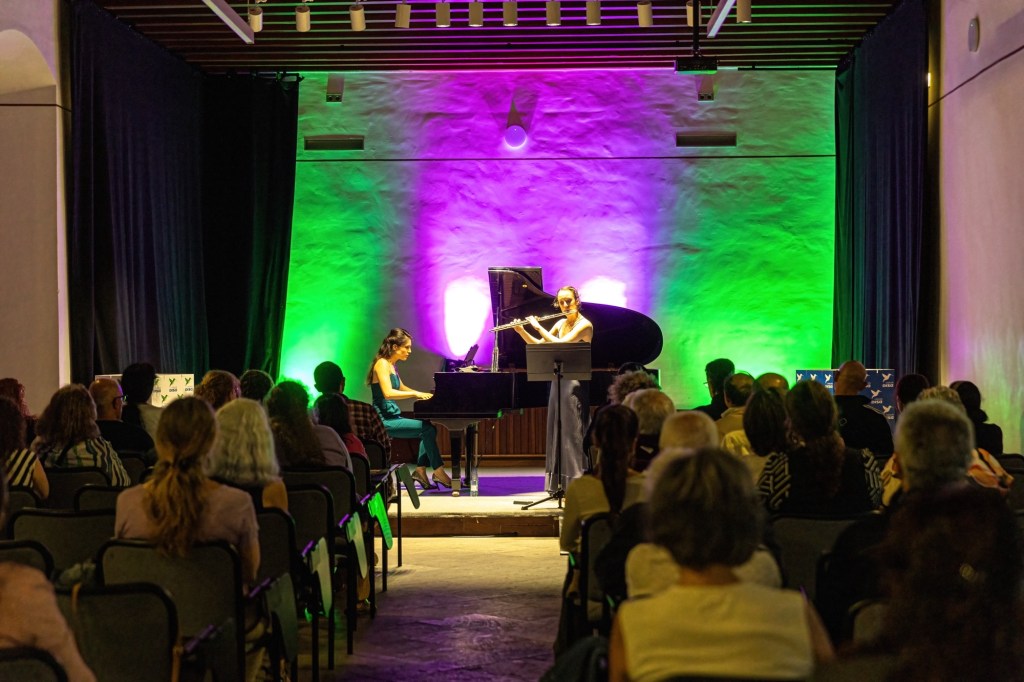
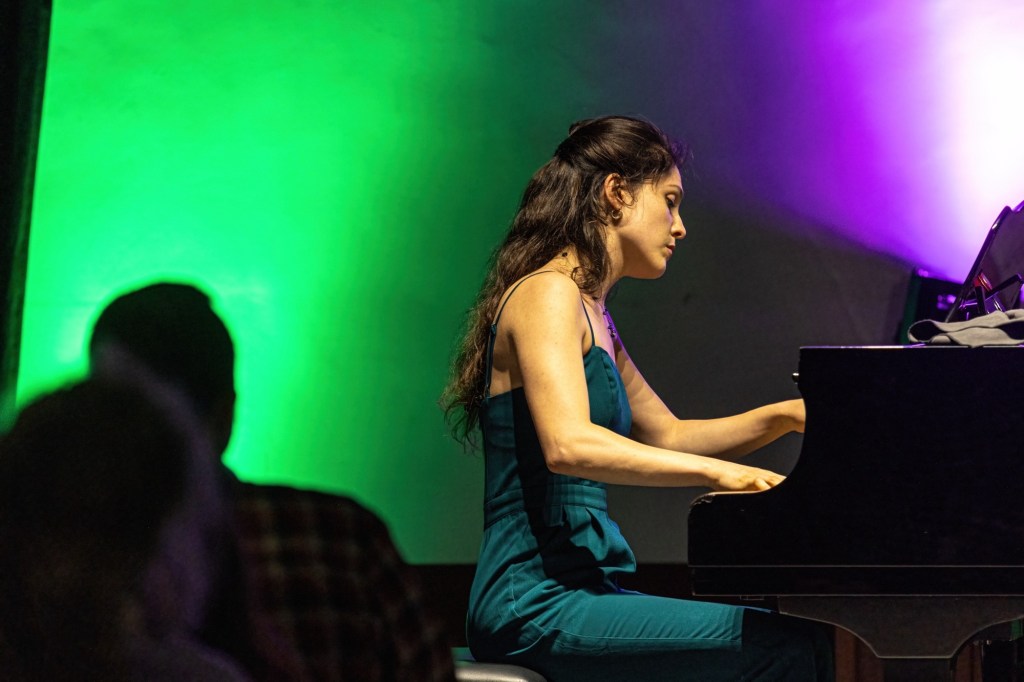
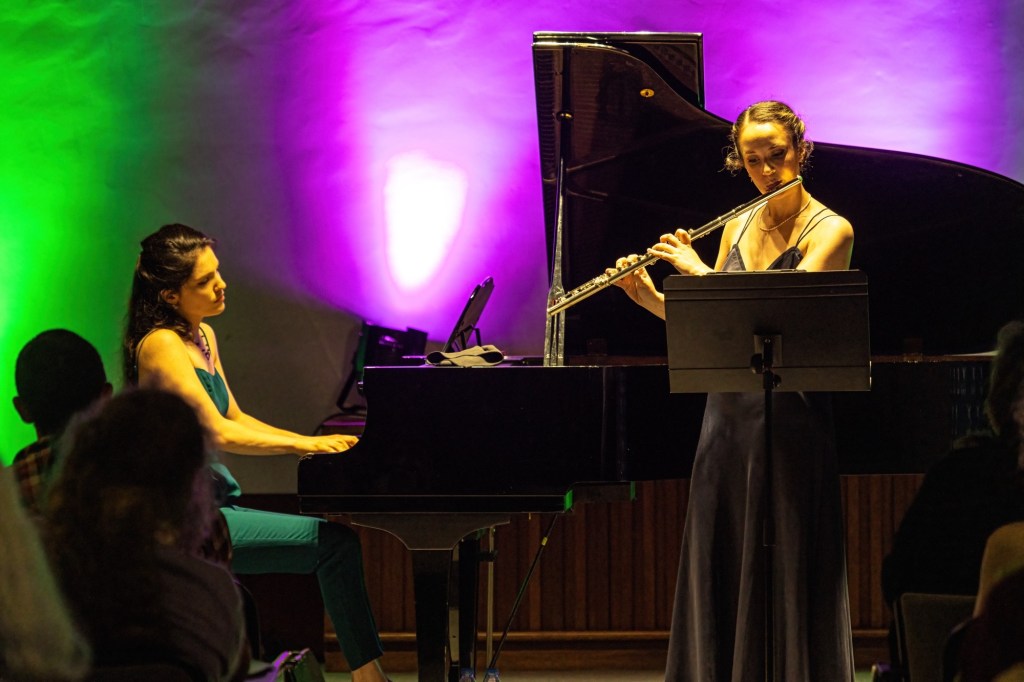
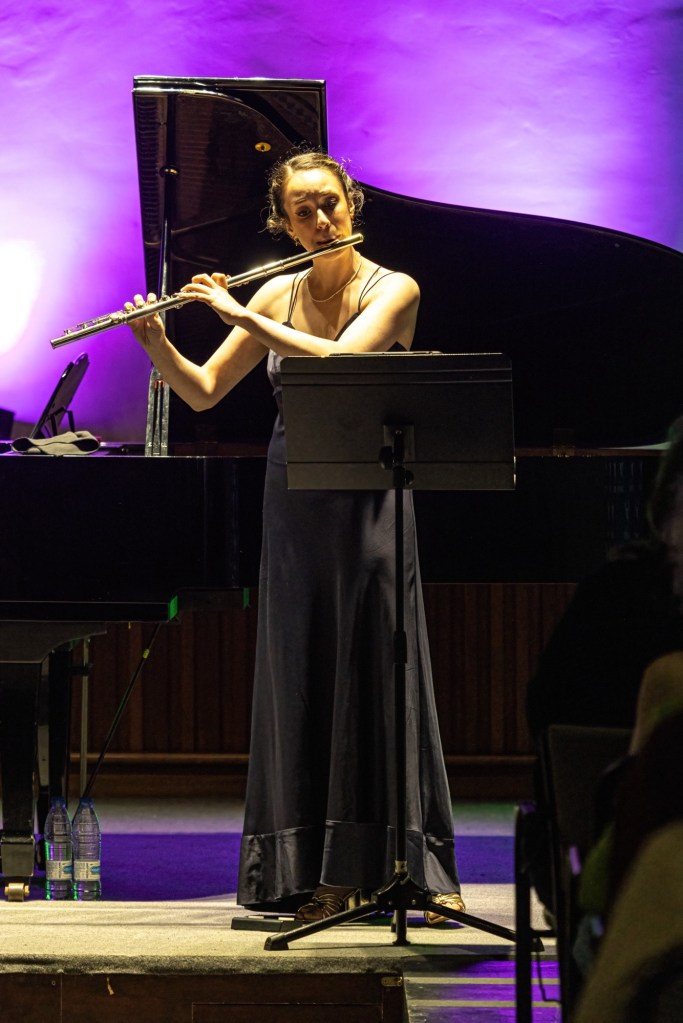
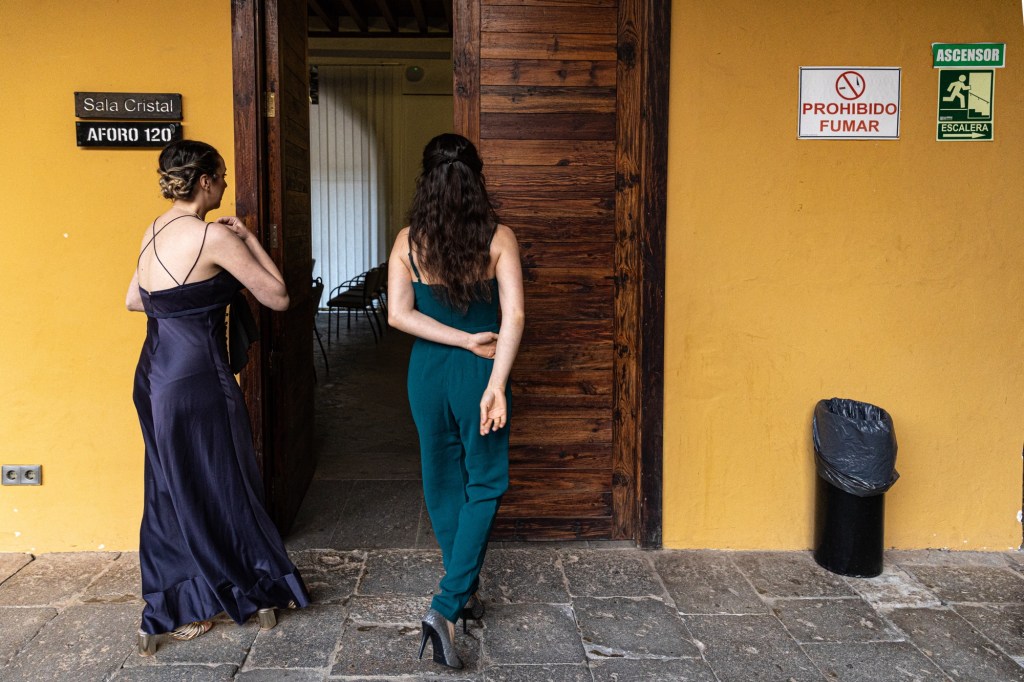


Thank you to Festival Aguere for the warm welcome!
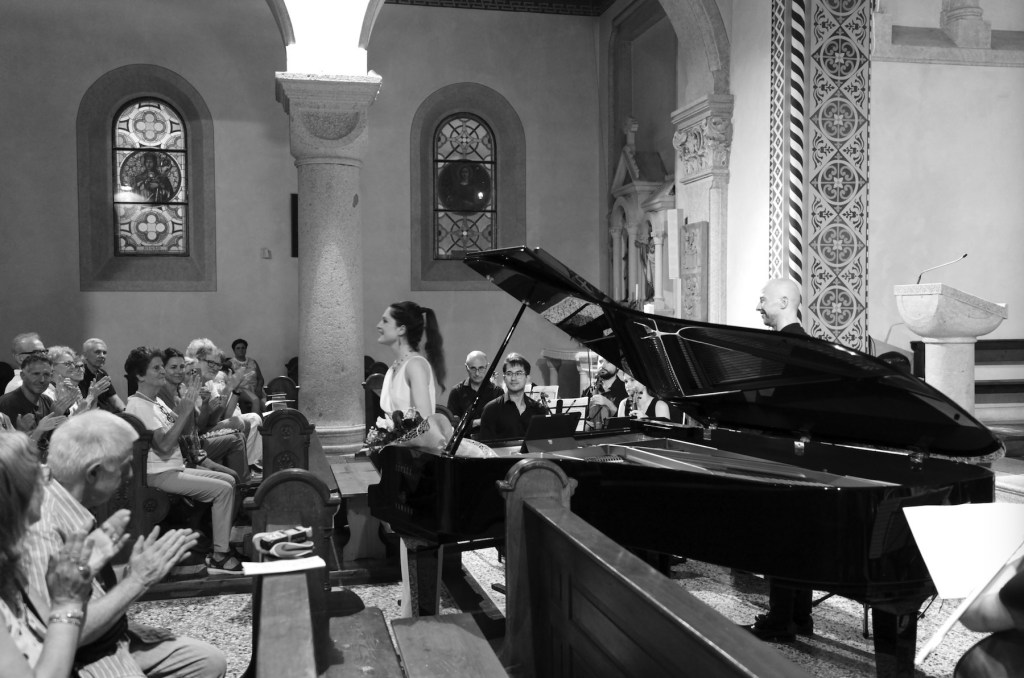
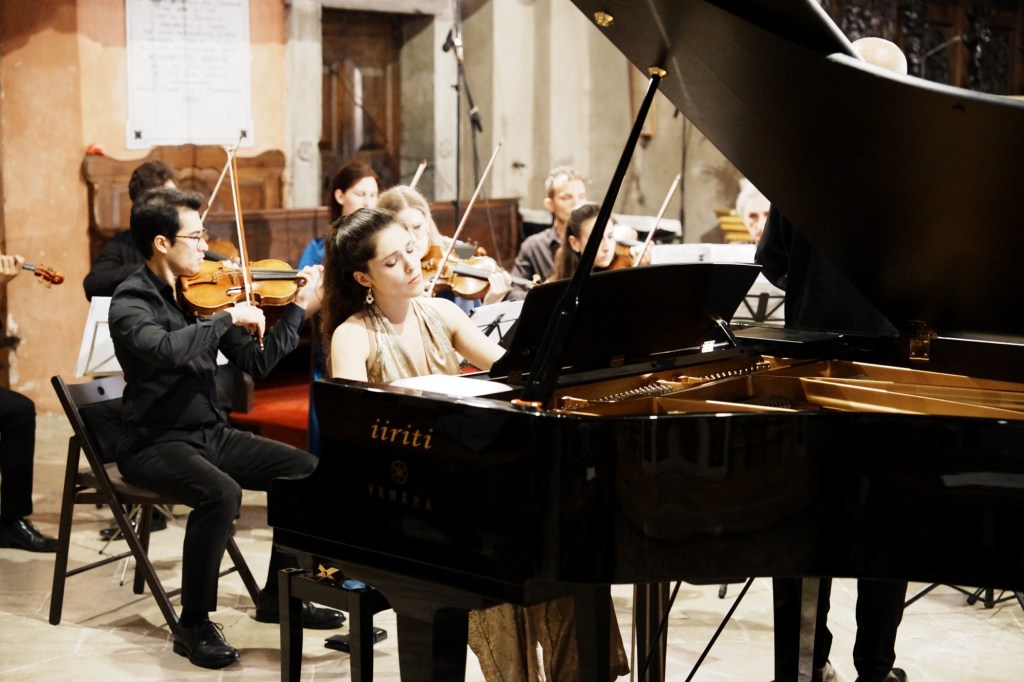
Very happy to have performed Haydn Piano Concerto in D dur, a wonderful piece of music, together with Camerata Di Arco and Dario Silveri, conductor. Thank you to the organisers and the warm welcome from all the people in the audience.
We will play together again the 25th of July at icmfgardalake.comhttp://www.icmfgardalake.com
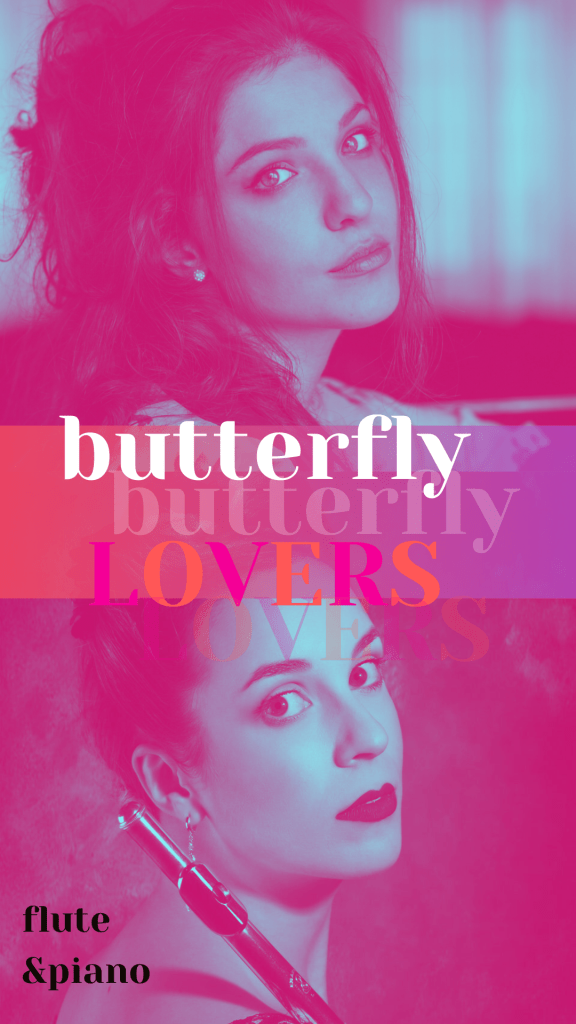
Very happy to bring Butterfly Lovers to the audience again!
We will be taking part at Festival Aguere next 11th of July in Tenerife.
Read about our Butterfly Lovers project!
Check more here
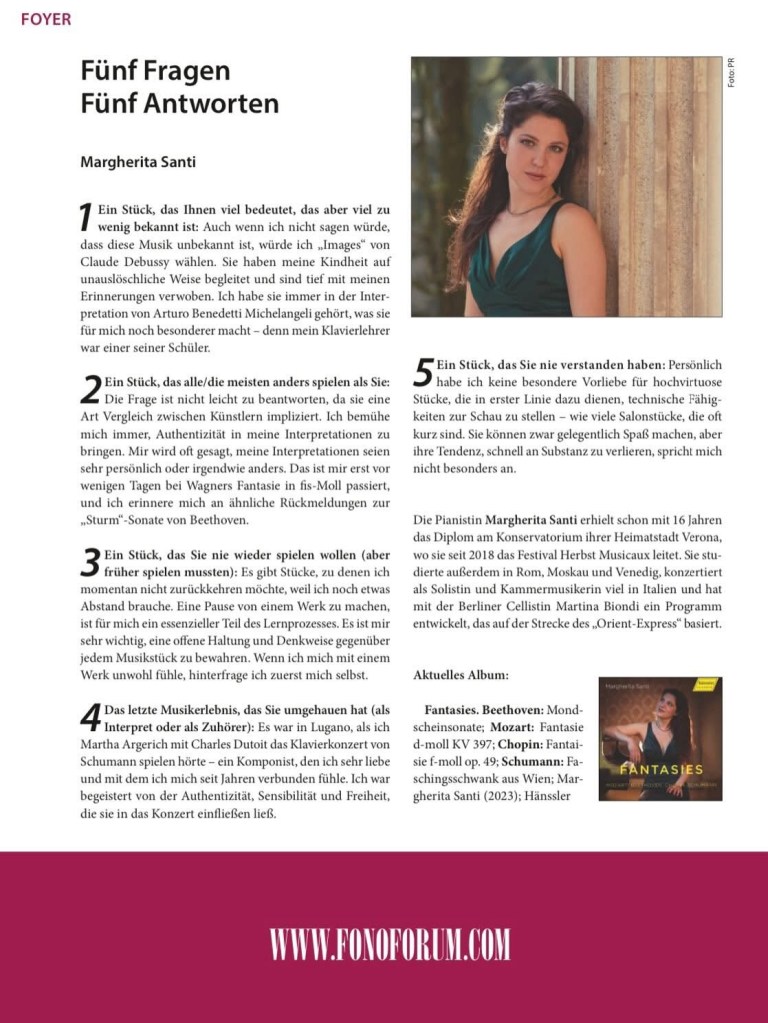
Margherita im Fono Forum: Fünf Fragen, fünf Antworten zu ihrem neuen Album „Fantasies“
Im Juli-Heft des renommierten Magazins Fono Forum stellt sich Margherita den fünf Fragen der beliebten Rubrik „Fünf Fragen, fünf Antworten“. Anlass ist die Veröffentlichung ihres neuen Albums „Fantasies“, das beim Label Hänssler Classic erschienen ist.
ENG
Fonoforum – July 2025
Margherita Santi
1. A piece that means a lot to you but is far too little known:
Even though I wouldn’t say this music is unknown, I would choose Images by Claude Debussy. It accompanied my childhood in an extraordinarily beautiful way and is deeply intertwined with my memories. I have always listened to it in the interpretation of Arturo Benedetti Michelangeli, which is particularly special to me – after all, my piano teacher was once his student.
2. A piece that most people play differently than you do:
This question is not easy to answer, as it implies a kind of comparison between artists. I always strive to bring authenticity into my interpretations. I am told that my interpretations are very personal or somehow different. That recently applied, for example, to Wagner’s Fantasy in F-sharp minor, where feedback reminded me of a similar reflection I had received about Beethoven’s Tempest Sonata.
3. A piece you never want to play again (but had to play in the past):
There are pieces I don’t want to return to at the moment because I still need some distance from them. Taking a break from a work is, for me, an essential part of the learning process. It’s very important to me to maintain an open attitude and mindset toward any piece of music. If I feel uncomfortable with a work, I first question myself.
4. The last musical experience that overwhelmed you (as a performer or as a listener):
It was in Lugano, when I heard Martha Argerich perform Schumann’s Piano Concerto with Charles Dutoit – a composer I hold very dear and with whom I’ve felt connected for years. I was impressed by the authenticity, sensitivity, and freedom she brought to the concert.
5. A piece you never understood:
Personally, I have no particular fondness for highly virtuosic pieces that primarily serve to show off technical skills – like many salon pieces, which are often short. They can be fun at times, but this tendency to lose substance does not particularly appeal to me.
Current Album:
Fantasies.
Beethoven: Moonlight Sonata;
Mozart: Fantasy in D minor KV 397;
Chopin: Fantasy in F minor Op. 49;
Schumann: Fantasy Pieces from Vienna;
Margherita Santi (2023); Hänssler Classic
We’ve been extremely happy to premiere our project for the first time live few days ago in Bolzano!
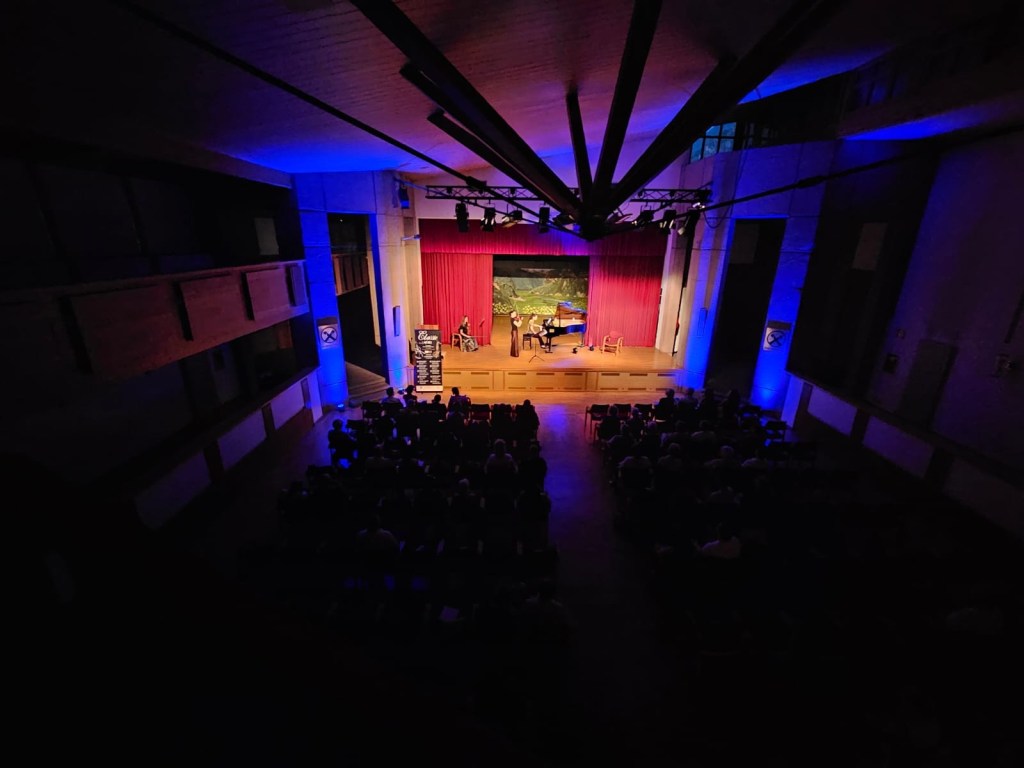
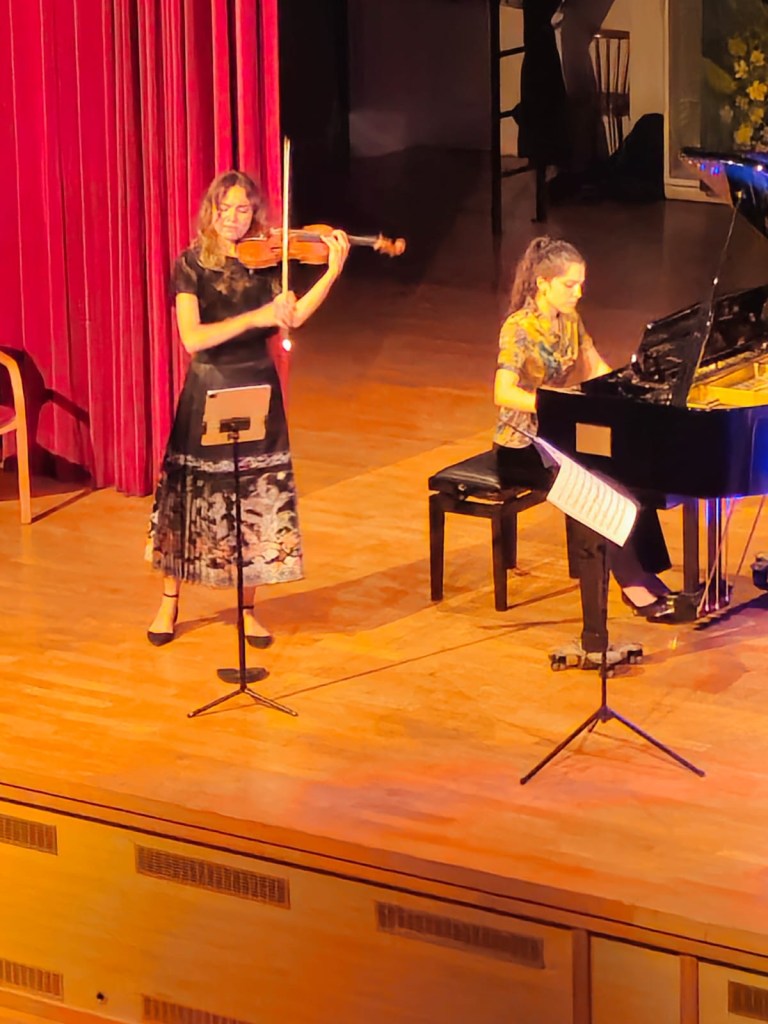
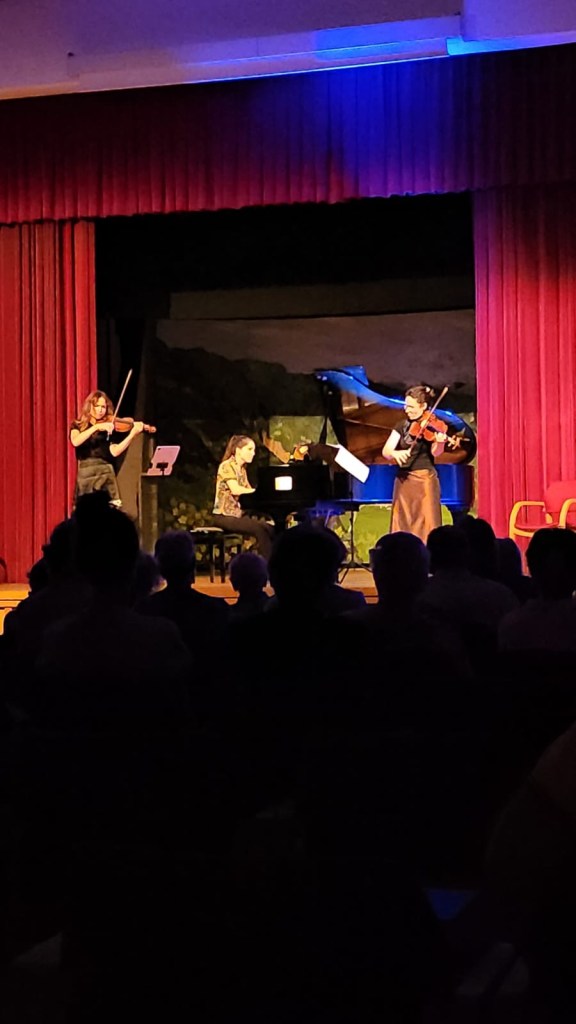
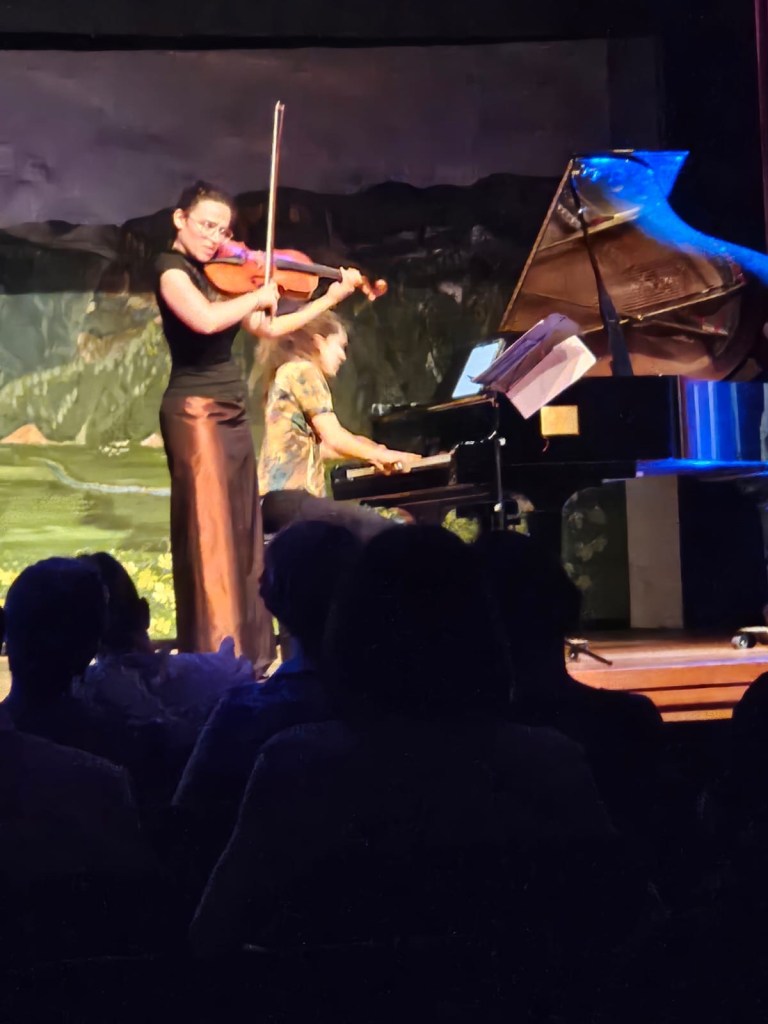
Thank you Festival Classic and more for having us!
more about the project and upcoming dates https://theclarkeproject.com/
Summer has just begun and here we go with the upcoming concerts: