

Questo sabato alle ore 18 a Palazzo Giusti, Verona. Con Ekaterina Valiulina e Giulia Panchieri.
–
This Saturday at 6 pm at Palazzo Giusti in Verona. With Ekaterina Valiulina and Giulia Panchieri.
Questo sabato alle ore 18 a Palazzo Giusti, Verona. Con Ekaterina Valiulina e Giulia Panchieri.
–
This Saturday at 6 pm at Palazzo Giusti in Verona. With Ekaterina Valiulina and Giulia Panchieri.
On the 1st of October the album Rebecca Clarke will be published by Brilliant Classic on all streaming platforms and will be available in shops.
This album is dedicated to the music of Rebecca Clarke (1886–1979), one of the most remarkable and overlooked composers of the 20th century. A pioneering violist and composer at a time when women were rarely recognized in the professional music world, Clarke left us a body of work that is at once intimate, daring, and profoundly moving.
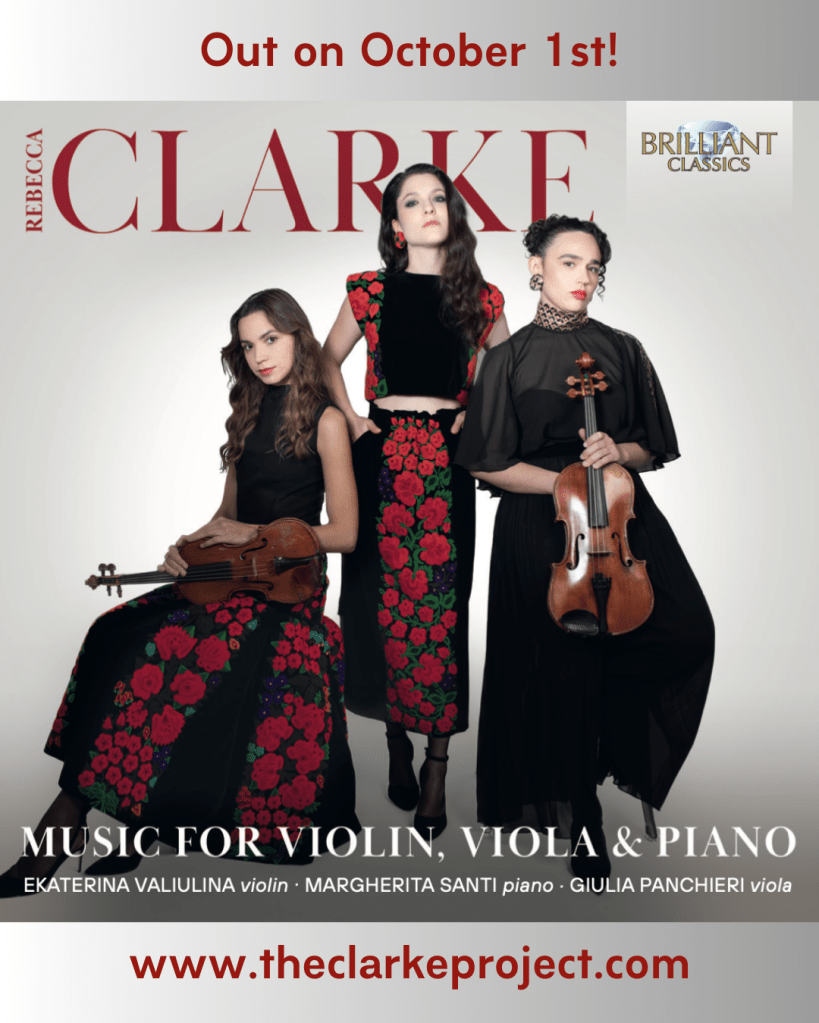
The recording brings together some of her most significant chamber and piano works, offering listeners a journey through her unique sound world: rich harmonies influenced by late Romanticism, the impressionistic colors of Debussy and Ravel, and a strong, personal voice that transcends categories.
Clarke’s music often reflects her life between England and America, her career as a professional violist, and her deep sensitivity to poetry and atmosphere. The works on this album highlight her versatility—from lyrical, song-like lines to bold rhythmic writing—and reaffirm her place among the most important composers of her generation.
It was a true honor to serve as presenter at the Vittoriale degli Italiani, the historic home of Gabriele d’Annunzio, for a concert featuring the Haydn Orchester. Introducing the evening and speaking directly to such an attentive audience in this remarkable setting was a memorable experience—an encounter where music, history, and place resonated together.
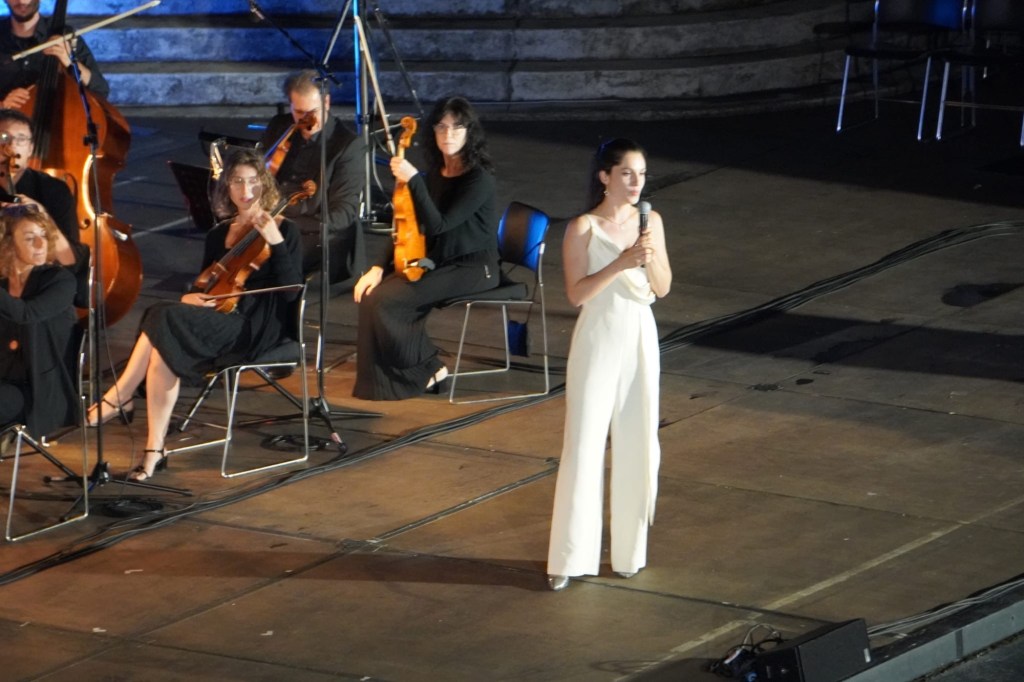
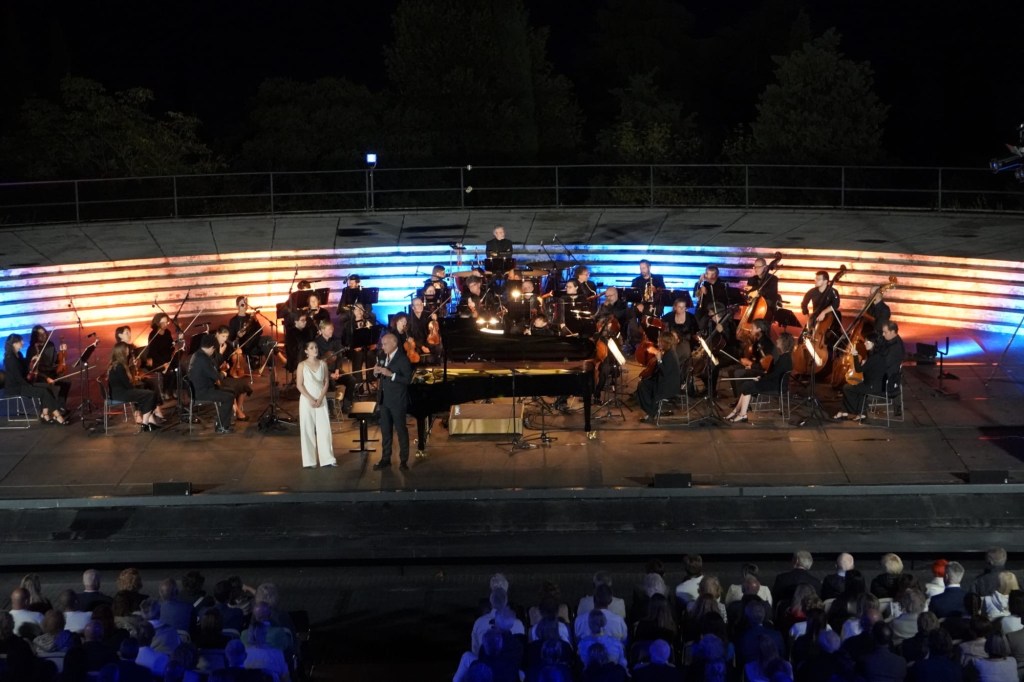
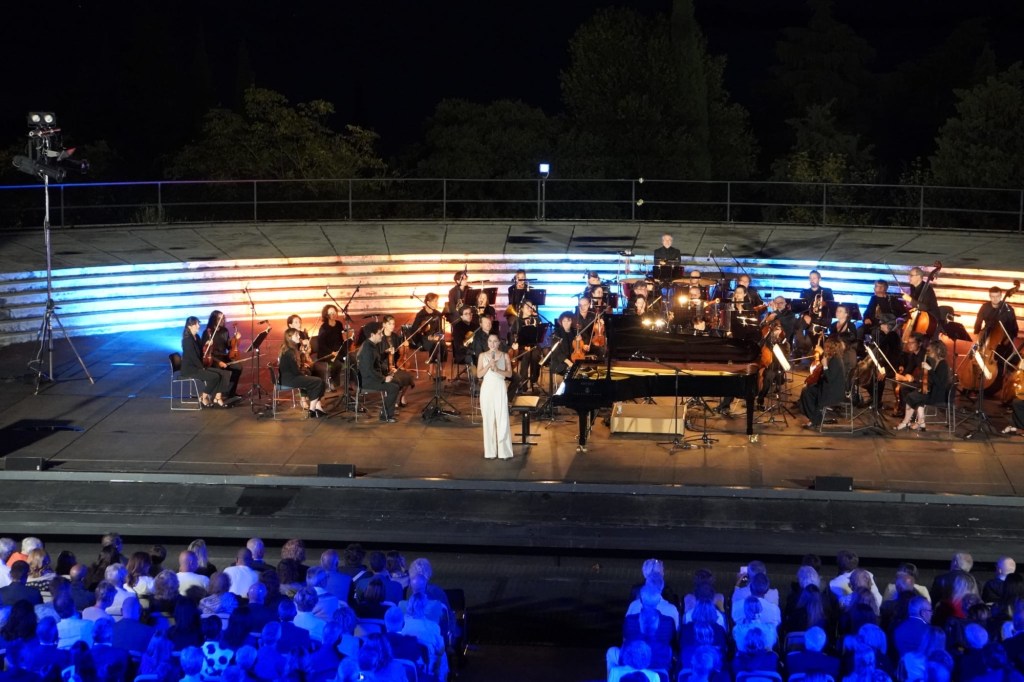
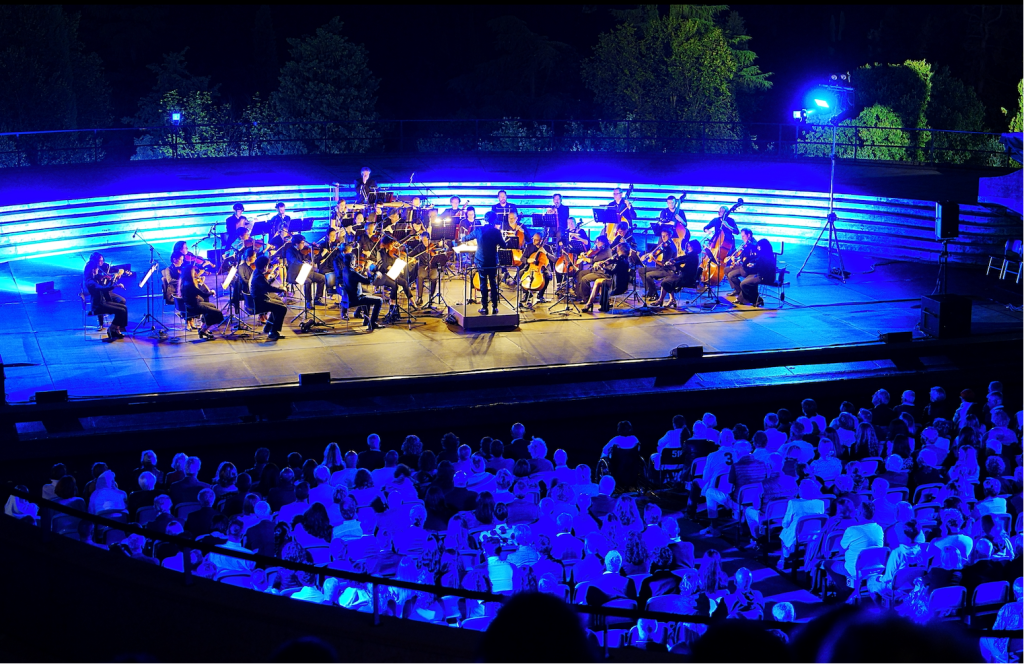
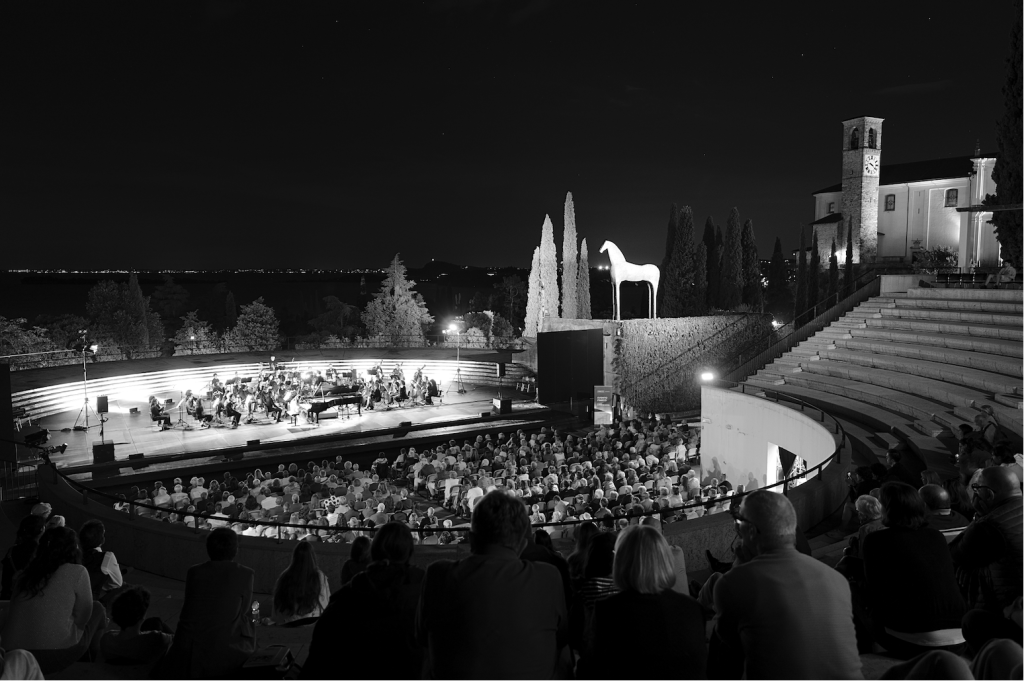
È stato un vero onore presentare il concerto al Vittoriale degli Italiani, storica dimora di Gabriele d’Annunzio, con protagonista la Haydn Orchester. Introdurre la serata e dialogare con un pubblico così attento in un contesto tanto suggestivo è stata un’esperienza memorabile, in cui musica, storia e luogo si sono intrecciati in perfetta armonia.
Photography Enrico Santi
Join the next events of the festival!

I am very happy to have been selected among the scholarship holders to play at the Internationales Stipendiatenkonzert in Bayreuth next 16th August 2025.
Puccini and Schubert/Liszt on the musical menu.
Ogni anno, quando arriva il momento di annunciare il programma di Herbst Musicaux Festival, ripenso a tutte le persone, le idee e le emozioni che lo hanno reso possibile.
Gli incontri, i libri letti, le idee notturne, le visioni che sembrano irrealizzabili, ma che trovano strada.
Quest’anno il filo che lega ogni concerto è Metamorphosis: non un tema scelto a tavolino, ma una parola che è nata strada facendo, osservando come la musica trasformi non solo chi l’ascolta… ma anche chi la fa. Un tema che prosegue un percorso.
Ho avuto il privilegio di lavorare con artisti straordinari, di intrecciare repertori e linguaggi, di lasciarmi sorprendere. Di accostare forme artistiche, di testimoniare talenti, di ascoltare tanta musica viva dal vivo.
Dal 30 agosto al 27 settembre ci ritroveremo a Verona per condividere questa metamorfosi.
A volte la bellezza non è un traguardo, ma un modo di vedere.
Vi aspettiamo all’ottava edizione di Herbst Musicaux, dal 30 agosto al 27 settembre a Verona.
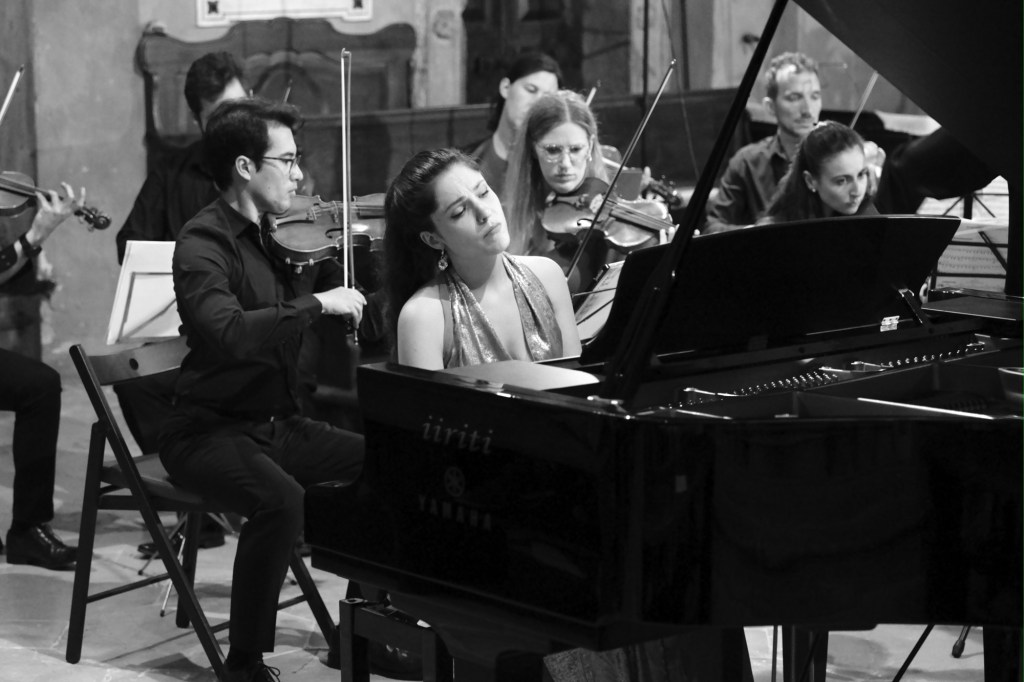
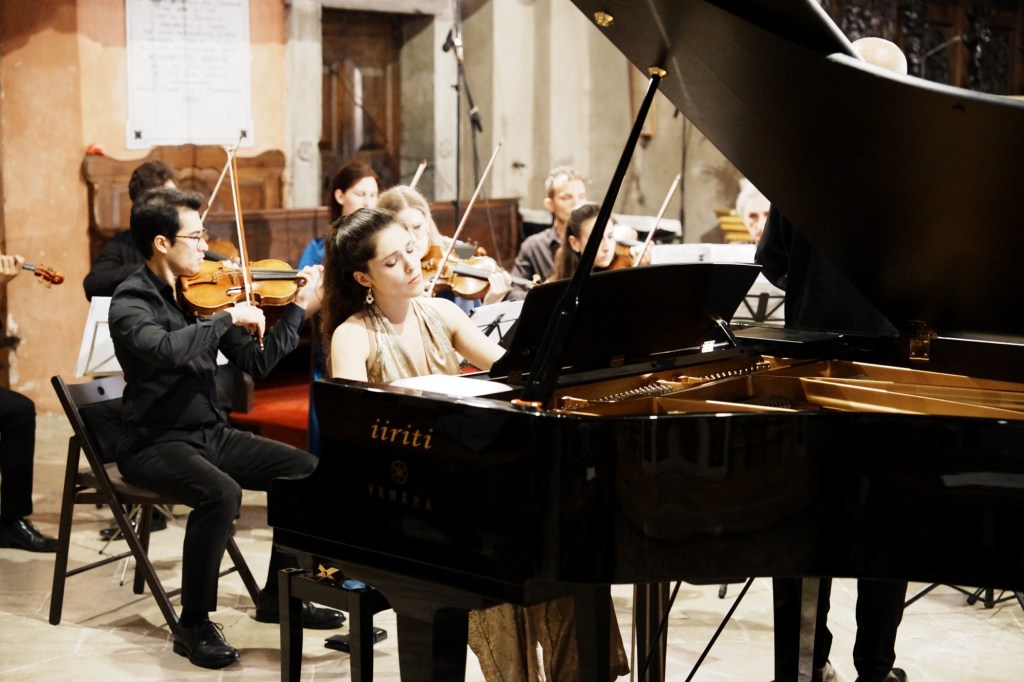
It was a beautiful experience to play again the gorgeous Haydn Piano Concerto in D dur with the conductor Dario Silveri and Camerata Di Arco.
This piece of music is a true gem of the classical repertoire, seamlessly blending the sacred and the profane.
Thank you to International Chamber Music Festival Garda Lake for inviting us.
by Guido Krawinkel (July 22, 2025)
The new CD by Margherita Santi impresses with virtuosity and a refined dramatic sensibility.
A fantasy piece is always at least somewhat improvisational—after all, “fantasizing” and playing in the moment birthed this genre. Free paraphrasing opens space and allows freedom.
Composers have long used this: Ludwig van Beethoven, for instance, who loved to break genre boundaries, or Frédéric Chopin, who developed the fantasy into a highly individual art form inspired by romantic character pieces.
The Italian pianist Margherita Santi takes an individual approach. Her new CD, aptly titled Fantasies, features works by Mozart, Beethoven, Chopin, and Schumann. Pianistically, this program offers abundant freedom, which Santi fully exploits. In Beethoven’s “Sonata Quasi una Fantasia,” she applies interesting agogic accentuation that emphasizes the music’s individual character—even if it occasionally slows the passage. She gives the improvisational character time and highlights its individuality.
The line between individuality and mannerism can blur at times. Yet Mozart’s D-minor Fantasy maintains both expressive balance and drive. Similarly, Chopin and Schumann’s fantasies are delivered with grand gestures and technical mastery. She favors long dramatic arcs, so even Chopin’s expansive F-minor Fantasy and Schumann’s finely detailed “Faschingsschwank” sound cohesive. Santi opts for a refined, finely balanced pianistic approach—she’s not one for empty emotional storms. That said, she doesn’t shy away from drama when needed, as in the Chopin or the finale of the Schumann.
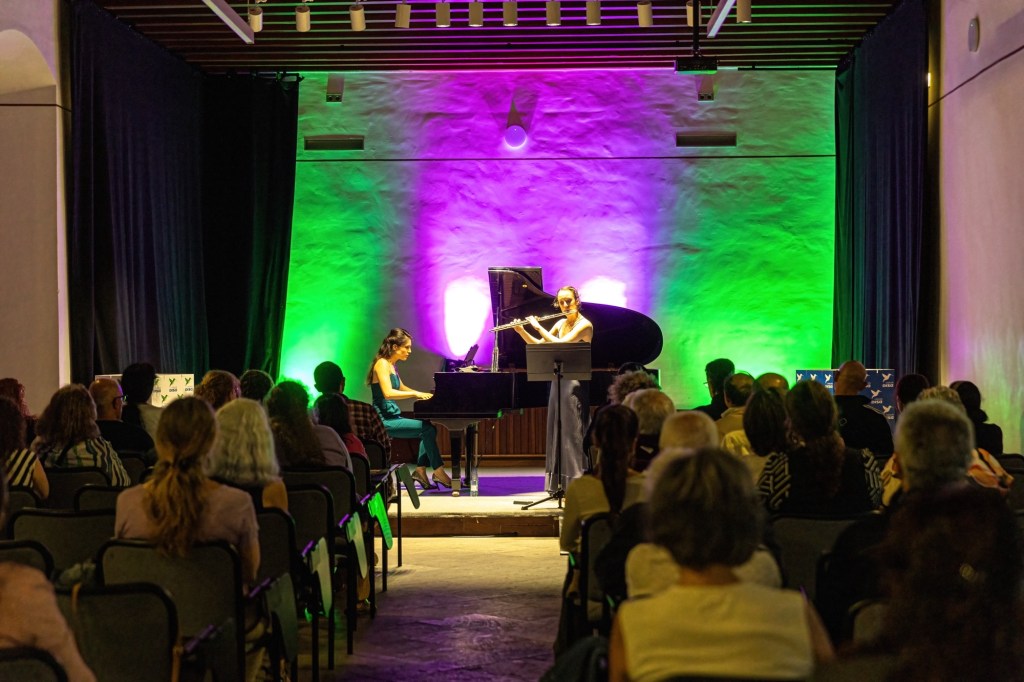
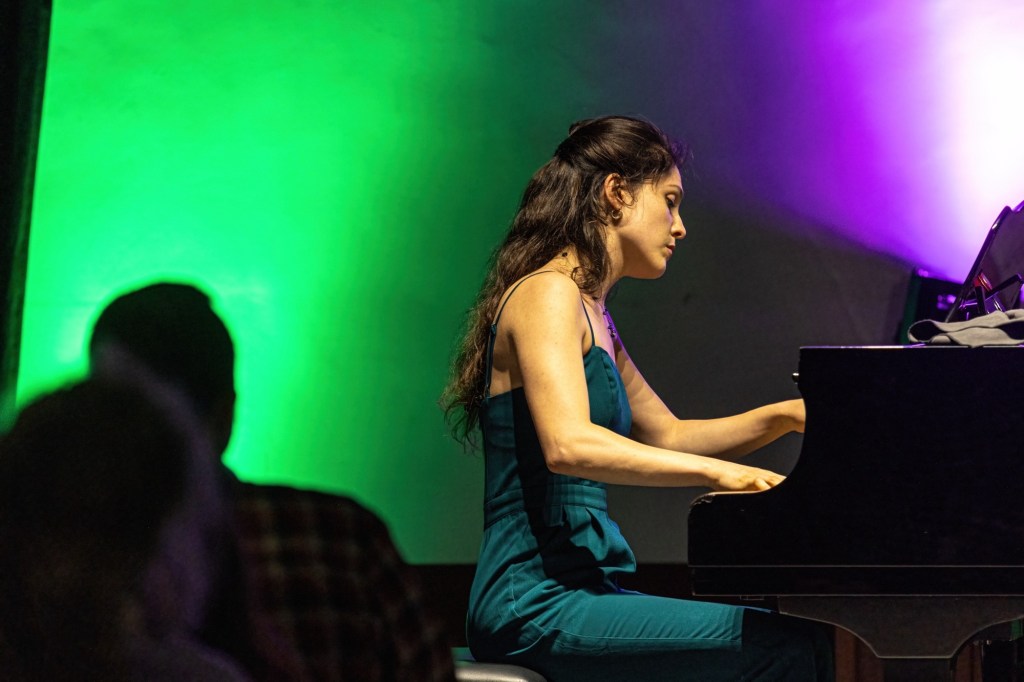
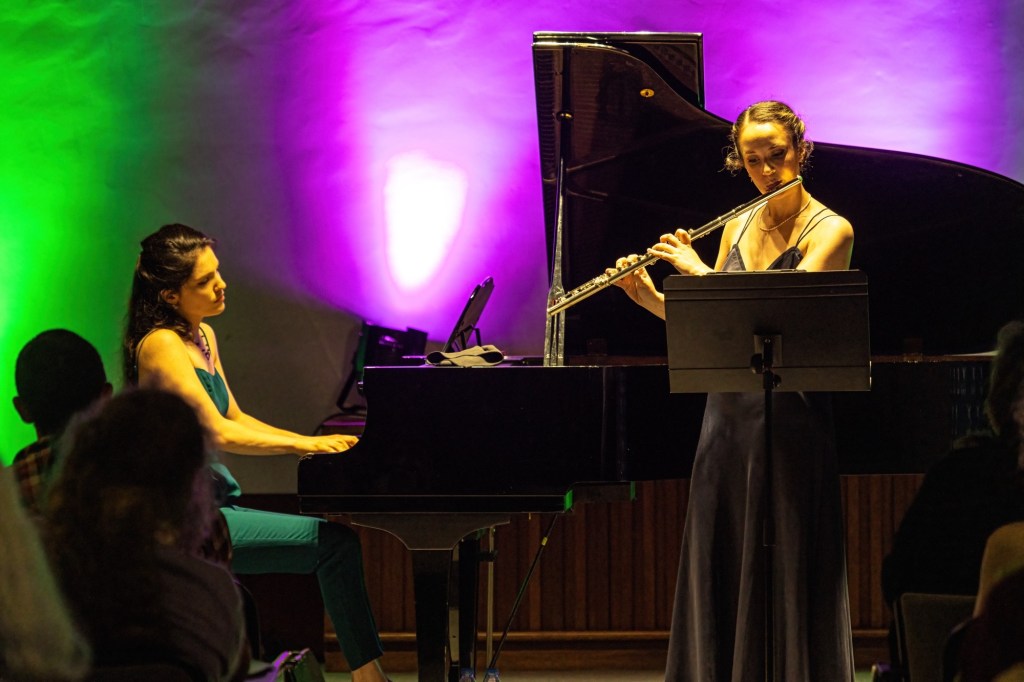
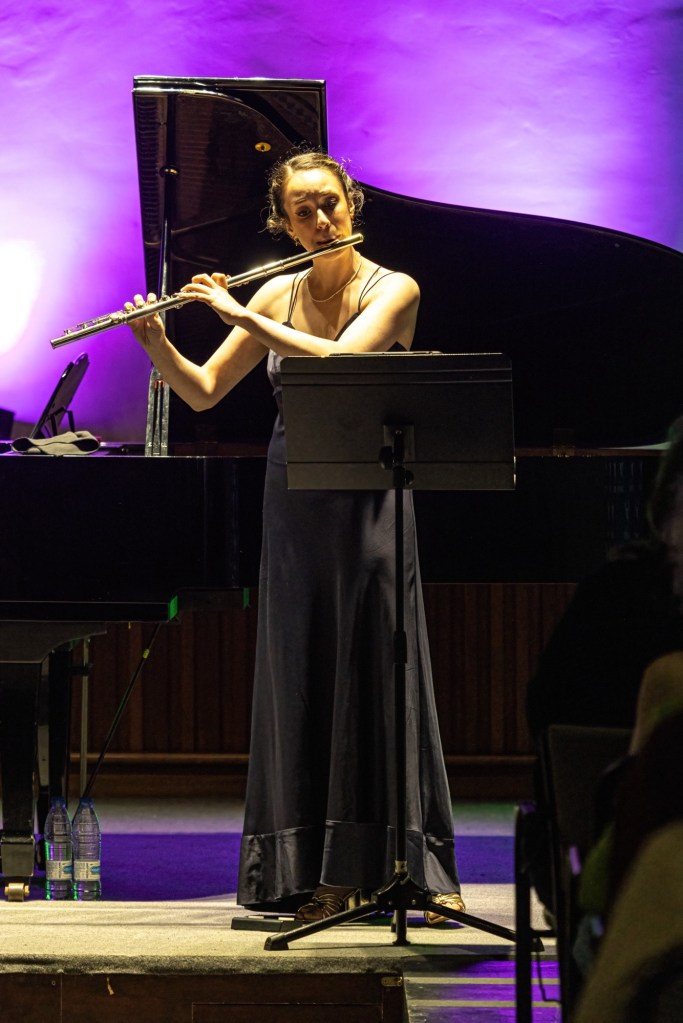
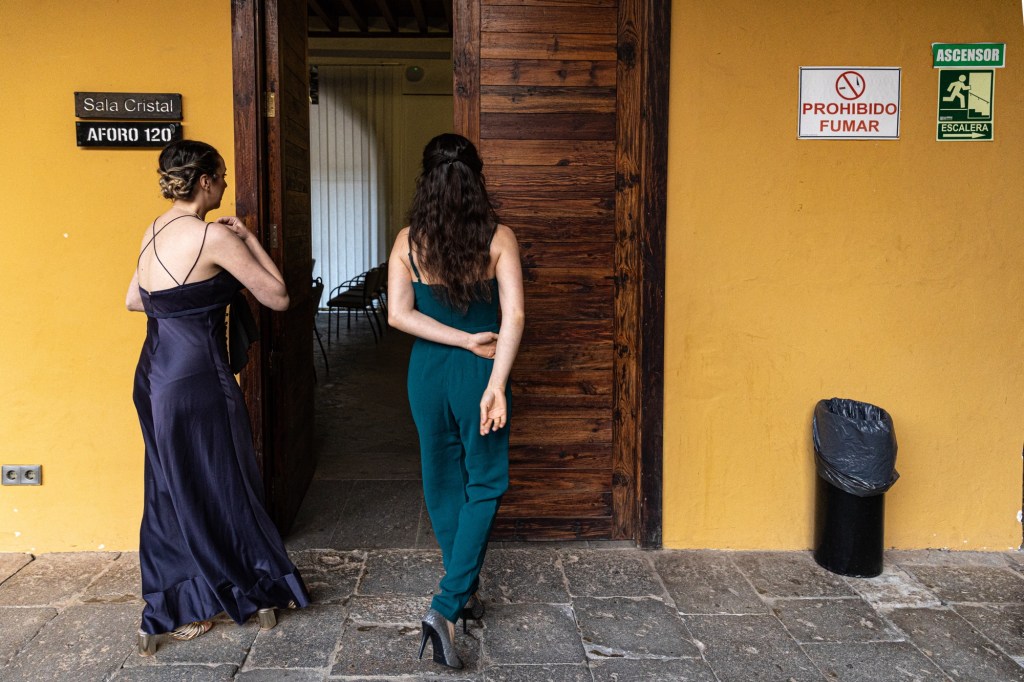


Thank you to Festival Aguere for the warm welcome!
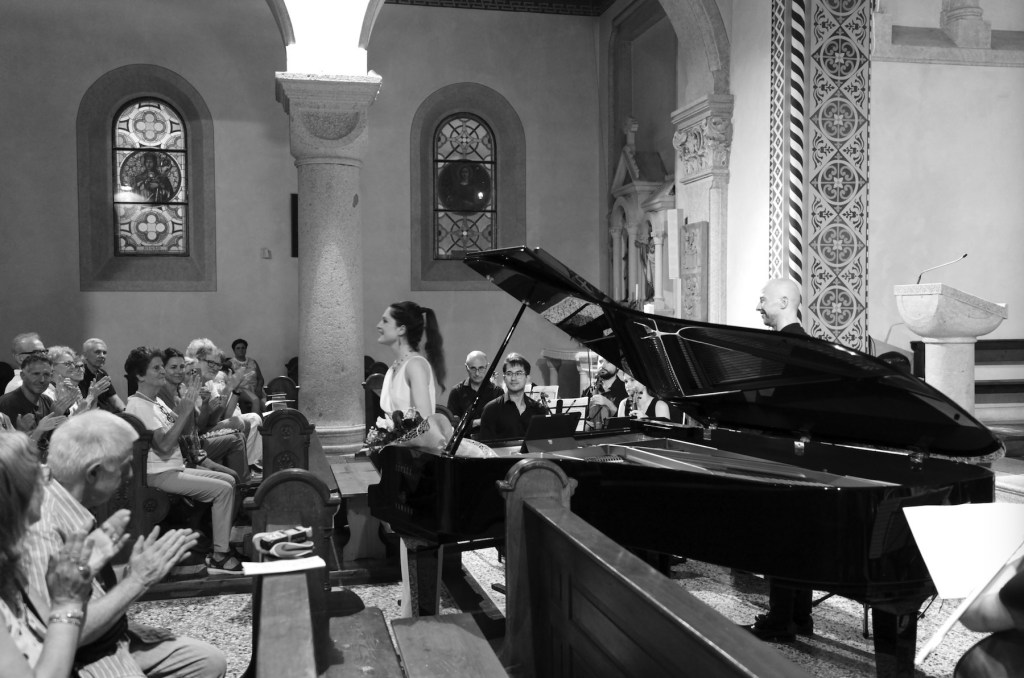
Very happy to have performed Haydn Piano Concerto in D dur, a wonderful piece of music, together with Camerata Di Arco and Dario Silveri, conductor. Thank you to the organisers and the warm welcome from all the people in the audience.
We will play together again the 25th of July at icmfgardalake.comhttp://www.icmfgardalake.com
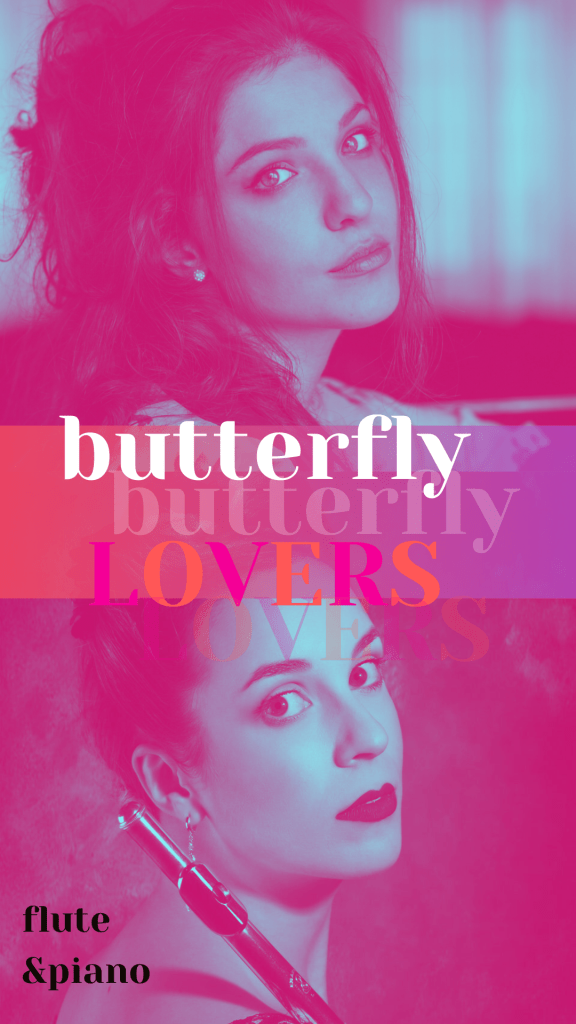
Very happy to bring Butterfly Lovers to the audience again!
We will be taking part at Festival Aguere next 11th of July in Tenerife.
Read about our Butterfly Lovers project!
Check more here
 Margherita Santi