
This magnificent piece is one of tracks on Fantasies.
In this piece we sense a truly wide emotional spectrum, developing at the same time, the wires of a story that ends with a triumphal chord in A flat major.
Full video is available on YouTube.
This magnificent piece is one of tracks on Fantasies.
In this piece we sense a truly wide emotional spectrum, developing at the same time, the wires of a story that ends with a triumphal chord in A flat major.
Full video is available on YouTube.
Behind the album FANTASIES, there are reflections and ideas.
Here Margherita talks about it, showing what her musical and artistic path led her to.
Today, we begin with this album dedicated to the genre of the Fantasia, interpreted in its plural form in the title. Starting from the 18th century with the so-called “fantasieren,” evoking improvisation, rhapsody, and divination, the journey leads to more defined forms, such as Chopin’s Fantasia Op. 49 or Schumann’s Carnaval de Vienne, whose subtitle speaks of “Fantasy Pictures.”
Margherita Santi, a young pianist already established across Europe and Russia, trained at the Moscow Conservatory, a background that resonates in her technique. Her playing combines elements of both Italian and Russian schools, offering a brilliant virtuosity paired with depth, avoiding percussive sounds and engaging her entire body in her artistry. Unsurprisingly, she has distinguished herself in romantic concertos such as Schumann’s Piano Concerto, Rachmaninoff’s Second, and Chopin’s First. For her Master’s degree, she performed a monographic recital dedicated to Schumann’s three sonatas, a repertoire demanding not only exceptional technical prowess but also the ability to deeply understand and convey the emotional and intellectual essence of music. This ability to delve into the core of music and translate its meaning into pianistic expression is among her greatest strengths. Unlike the common tendency to prioritize effect over emotion, Santi takes the correct path—starting from emotion and arriving at effect.
This Mozartian masterpiece, lasting just seven minutes, encapsulates a range of moods and complex spiritual universes. It begins with the free flow of arpeggios that, as Santi aptly notes in the album booklet, seem to emerge from another dimension, beyond time and space. Her performance opens with a searching, rhapsodic fantasy, reflective arpeggios that seem to explore and seek a path. This flows into an Adagio, which Santi takes slower than usual, maintaining an underlying tension and preserving the melodic line throughout. The transition to the Allegretto is strikingly sharp, embodying the rapid scales that characterize 18th-century improvisation. In this lively tempo, Santi captures a mood reminiscent of opera buffa, with playful, occasionally exaggerated, agogic shifts. Her interpretation is never provocative but deeply reasoned and heartfelt.
In her interpretation of Beethoven’s Moonlight Sonata, a title not given by the composer but inspired by the nocturnal atmosphere of the Adagio, Santi evokes imagery akin to a Caspar David Friedrich painting, with pervasive pianissimo textures.
In the Finale, Santi astonishes with her natural, unfaltering virtuosity. Beyond her flawless execution of every note, she demonstrates a mature understanding of phrasing, capturing the overall Beethovenian form while giving each episode and mood its distinct character. For instance, in more intense passages, she uses a sharp staccatissimo that conveys a revolutionary edge, while in lyrical themes, her playing softens, showcasing a beautiful cantabile quality. This performance embodies a profound emotional range and a dedication to conveying the composer’s intentions before translating them into sound.
Much like the Polonaise-Fantaisie, this work reflects Chopin’s improvisational spirit, rooted in harmonic progressions and an improvisatory style of fantasy. The formal structure intertwines with the Romantic ideal of carpe diem, evoking a quintessential Romantic wandering. Santi strikes a perfect balance between artistry and control of sound and form, excelling in aesthetic expression. In the central chorale, which she describes as almost a prayer, Santi creates an atmosphere of mystical concentration. As with the first movement of the Moonlight Sonata or the Adagio in Mozart’s Fantasy, she is unafraid to slow the tempo significantly, allowing time to stand still. This creates an “island” within a stormy Fantasia that requires true Sturm und Drang temperament. Santi masters this music both intellectually and pianistically, allowing it to flow with natural spontaneity, achieving a balance where freedom in interpretation is not only theorized but lived.
With Schumann, we enter a different world. Here, fantasy lies in the juxtaposition of diverse moods, as seen in other Schumann masterpieces like Kreisleriana or Carnaval. This work also reflects Viennese life, where Schumann discovered many of Schubert’s compositions, influencing his own music. Santi vividly brings these contrasting moods to life, from the melancholic and lunar Romance, embodying Eusebius’s introspection, to the humorous, almost gossipy Scherzino. These contrasts converge in the Intermezzo, blending tenderness and passion with a balance of feminine sensitivity and masculine vigor.
Margherita Santi is an extraordinary pianist, combining virtuosity with a profound intellect. She emphasizes the critical connection between mind, heart, and hands, a balance often neglected by pianists disconnected from their intellectual and emotional core. Santi’s ability to begin with understanding and emotion, then translate them into sound, sets her apart.
Not only a remarkable performer, Santi is also an enterprising artist. She founded and directs the Herbst Musicaux Festival in Verona, an autumn music festival where she explores the psychological and sociological dimensions of music. Her performances reflect this intellectual depth, demonstrating that true mastery begins with the mind and resonates through the sound.
Radio Classica, ClassicoMania, by Luca Ciammarughi
–
Heute beginnen wir mit diesem Album, das dem Genre der Fantasie gewidmet ist, im Titel in der Mehrzahl interpretiert. Es reicht von der Zeit des 18. Jahrhunderts mit dem sogenannten „Fantasieren“, das Improvisation, Rhapsodie und Wahrsagerei heraufbeschwört, bis hin zu präziseren Formen wie Chopins Fantasie Op. 49 oder Schumanns Karneval von Wien, dessen Untertitel von „Fantastischen Bildern“ spricht.
Margherita Santi, eine junge Pianistin, die sich bereits in ganz Europa und Russland etabliert hat, wo sie am Moskauer Konservatorium ausgebildet wurde. Diese Ausbildung spiegelt sich in ihrer Technik wider, die Elemente der italienischen und russischen Schule vereint: brillante Virtuosität, gepaart mit Tiefe, ohne percussive Klänge, und ein Einsatz des ganzen Körpers beim Spiel. Kein Wunder also, dass sie sich in romantischen Konzerten wie Schumanns Klavierkonzert, Rachmaninoffs Zweitem und Chopins Erstem Klavierkonzert hervorgetan hat. Für ihren Master-Abschluss präsentierte sie ein monografisches Rezital, das Schumanns drei Sonaten gewidmet war. Ein solches Repertoire verlangt nicht nur außergewöhnliche technische Fähigkeiten, sondern auch die Fähigkeit, die emotionale und intellektuelle Essenz der Musik tief zu verstehen und auszudrücken. Diese Fähigkeit, in den Kern der Musik einzutauchen und ihre Bedeutung in pianistische Ausdrucksformen zu übersetzen, gehört zu ihren größten Stärken. Anders als oft üblich, wo Effekte über die Emotion gestellt werden, folgt Santi dem richtigen Ansatz: von der Emotion zum Effekt.
Dieses Meisterwerk von Mozart, das nur sieben Minuten dauert, umfasst eine Vielzahl von Stimmungen und facettenreichen spirituellen Universen. Es beginnt mit der freien Bewegung von Arpeggien, die laut Santi in den Booklet-Notizen des Albums aus einer anderen Dimension zu kommen scheinen, jenseits von Zeit und Raum. Ihr Vortrag beginnt mit einer suchenden, rhapsodischen Fantasie, nachdenklichen Arpeggien, die wie auf der Suche nach einem Weg erscheinen. Dies mündet in ein Adagio, das Santi langsamer als gewöhnlich spielt, wobei sie eine unterschwellige Spannung und die Melodielinie beibehält. Der Übergang zum Allegretto ist bemerkenswert abrupt und verkörpert die schnellen Tonleitern, die typisch für die Improvisation des 18. Jahrhunderts sind. In diesem lebhaften Tempo fängt Santi eine Stimmung ein, die an eine Opera buffa erinnert, mit spielerischen und gelegentlich übertriebenen agogischen Nuancen. Ihre Interpretation ist niemals provokativ, sondern tief durchdacht und voller Gefühl.
In ihrer Interpretation der Mondscheinsonate von Beethoven, ein Titel, den der Komponist selbst nicht gewählt hat, inspiriert durch die nächtliche Atmosphäre des Adagios, beschwört Santi Bilder herauf, die an ein Gemälde von Caspar David Friedrich erinnern, mit allgegenwärtigen Pianissimo-Texturen.
Im Finale beeindruckt Santi mit ihrem natürlichen, unfehlbaren Virtuosismus. Jenseits der makellosen Ausführung jeder Note zeigt sie ein reifes Verständnis für die Phrasierung, erfasst die gesamte Beethoven’sche Form und verleiht zugleich jedem Abschnitt und jeder Stimmung einen eigenen Charakter. In intensiven Passagen verwendet sie beispielsweise ein scharfes Staccatissimo, das eine revolutionäre Schärfe vermittelt, während sie in lyrischen Themen eine sanfte, kantable Qualität zeigt. Diese Darbietung verkörpert ein tiefes emotionales Spektrum und eine Hingabe, die Beethovens Gedanken in den Vordergrund stellt, bevor sie sie in Klang übersetzt.
Wie die Polonaise-Fantasie reflektiert dieses Werk Chopins improvisatorischen Geist, verwurzelt in harmonischen Fortschreitungen und einer improvisatorischen Fantasie. Die formale Struktur verschmilzt mit dem romantischen Ideal des carpe diem und beschwört eine typische romantische Wanderlust. Santi findet hier eine perfekte Balance zwischen künstlerischem Ausdruck und Kontrolle über Klang und Form, was eine ästhetische Raffinesse vermittelt. Im zentralen Choral, den sie als fast ein Gebet beschreibt, schafft Santi eine Atmosphäre mystischer Konzentration. Wie im ersten Satz der Mondscheinsonate oder im Adagio in Mozarts Fantasie scheut sie sich nicht, das Tempo deutlich zu verlangsamen, wodurch die Zeit stehen bleibt. Dies schafft eine „Insel“ innerhalb einer stürmischen Fantasie, die ein echtes Sturm und Drang-Temperament erfordert. Santi meistert diese Musik sowohl intellektuell als auch pianistisch, wobei sie die natürliche Spontaneität des musikalischen Flusses bewahrt. Ihre Freiheit in der Interpretation wird nicht nur theoretisiert, sondern gelebt.
Mit Schumann betreten wir eine andere Welt. Hier liegt die Fantasie in der Gegenüberstellung verschiedener Stimmungen, wie auch in anderen Meisterwerken Schumanns, etwa der Kreisleriana oder dem Karneval. Dieses Werk spiegelt auch das Wiener Leben wider, wo Schumann viele Werke von Franz Schubert entdeckte, die seine Kompositionen beeinflussten. Santi bringt diese kontrastierenden Stimmungen lebhaft zur Geltung, von der melancholischen und mondartigen Romanze, die Eusebius’ introspektive Seite verkörpert, bis hin zum humorvollen, fast klatschhaften Scherzino. Diese Kontraste verschmelzen im Intermezzo, das Zärtlichkeit und Leidenschaft, Schwung und feminine Sensibilität vereint.
Margherita Santi ist eine außergewöhnliche Pianistin, die Virtuosität mit einem tiefen Intellekt verbindet. Sie betont die wichtige Verbindung zwischen Geist, Herz und Händen – ein Gleichgewicht, das oft vernachlässigt wird. Santi beginnt mit Verstand und Emotion und übersetzt sie in Klang, ein Ansatz, der sie von anderen unterscheidet.
Neben ihrer bemerkenswerten Karriere ist Santi auch eine engagierte Künstlerin und gründete das Herbst Musicaux Festival in Verona, dessen künstlerische Leitung sie innehat. Ihre intellektuelle Tiefe spiegelt sich in ihren Aufführungen wider und zeigt, dass wahre Meisterschaft im Geist beginnt und im Klang nachhallt.
Radio Classica, ClassicoMania, by Luca Ciammarughi
“Santi impresses with an interpretation that is as intelligent as it is deeply musical, enriched by many dynamic nuances, great playfulness and wonderfully fine coloration.
Fantasies is first-class piano playing and more than an hour of music that will never bore you.“
Pizzicato Magazine, November 2024
Read the full review here: https://www.pizzicato.lu/gestaltungsfreudige-pianistin/
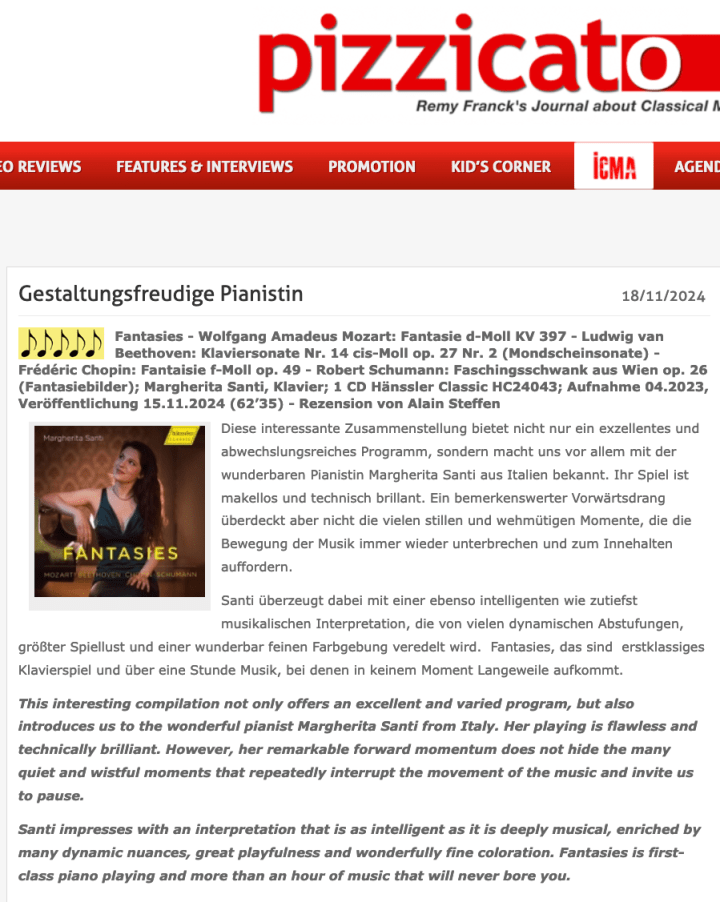
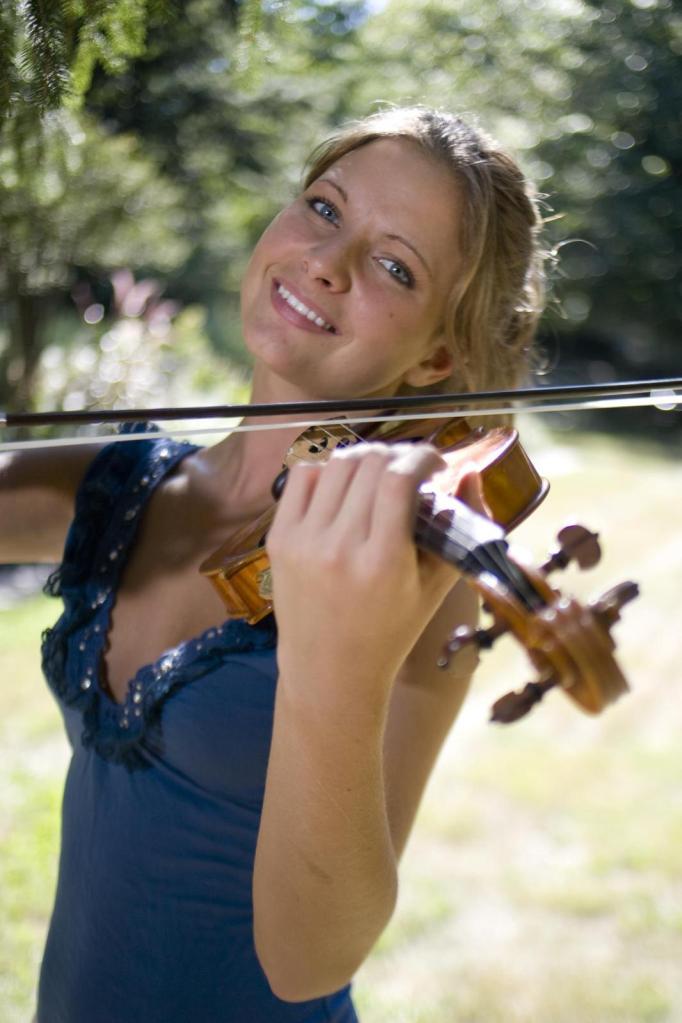
In a couple of days we take Mythos to International Chamber Music Festival Garda Lake 2024. On the musical menù works by Bartok, Schumann, Beethoven.
28.7.24 h21, Garda Lake, Tremosine, Chiesa di S.Giovanni Battista
Info: https://icmfgardalake.com/2024/03/26/international-chamber-music-festival-2024/

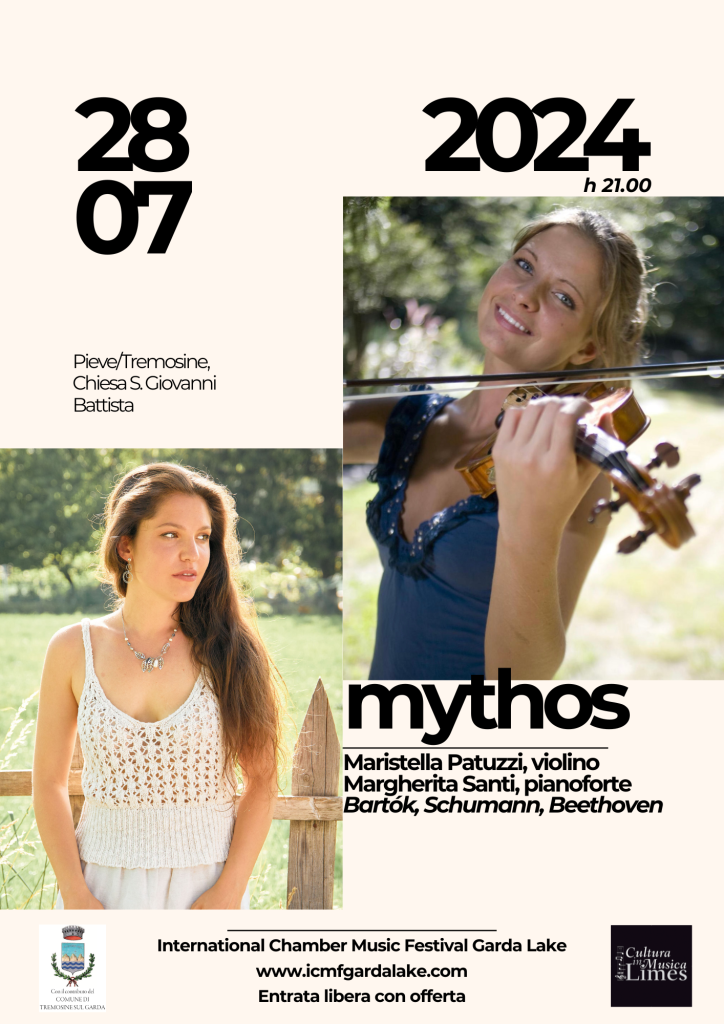
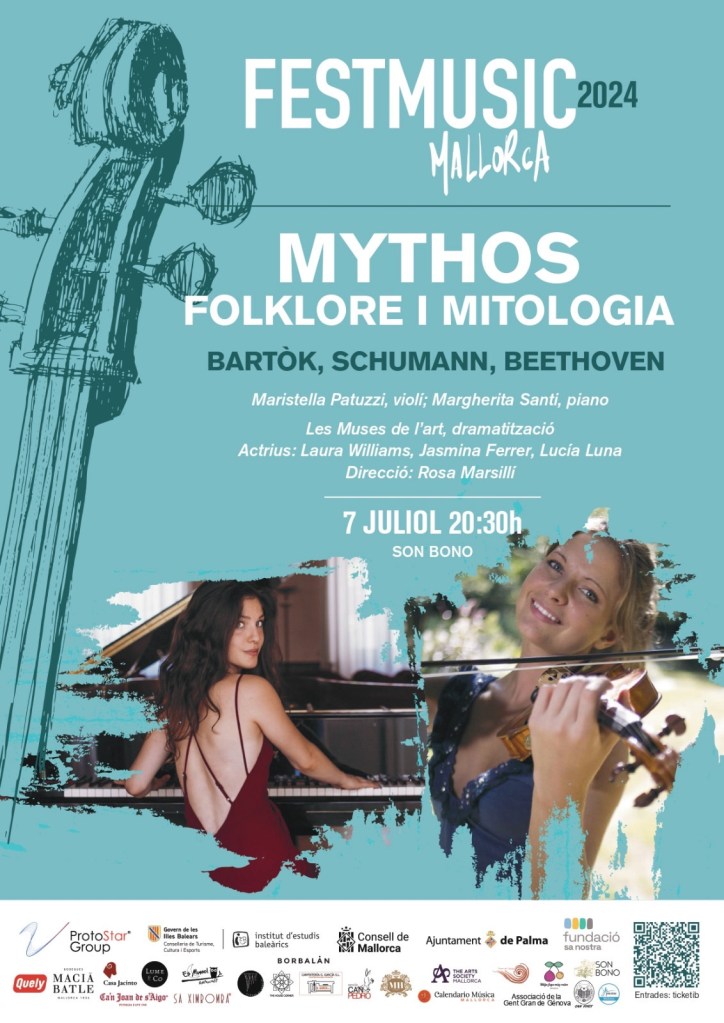
I warmly invite you to my next concert for FestMusic Mallorca the 7th of July at 8.30 pm in Son Bono.
On the musical menu Bartòk, Schumann, Beethoven with the virtuoso violinist Maristella Patuzzi.
The musical program will be enriched by Les Muses de l’Art, a group of three actresses directed by Rosa Marsillí.
Tickets are available for purchase: https://ticketib.com/ca/events/festmusic-mallorca-mythos-folklore-i-mitologia
A cura di Margherita Santi
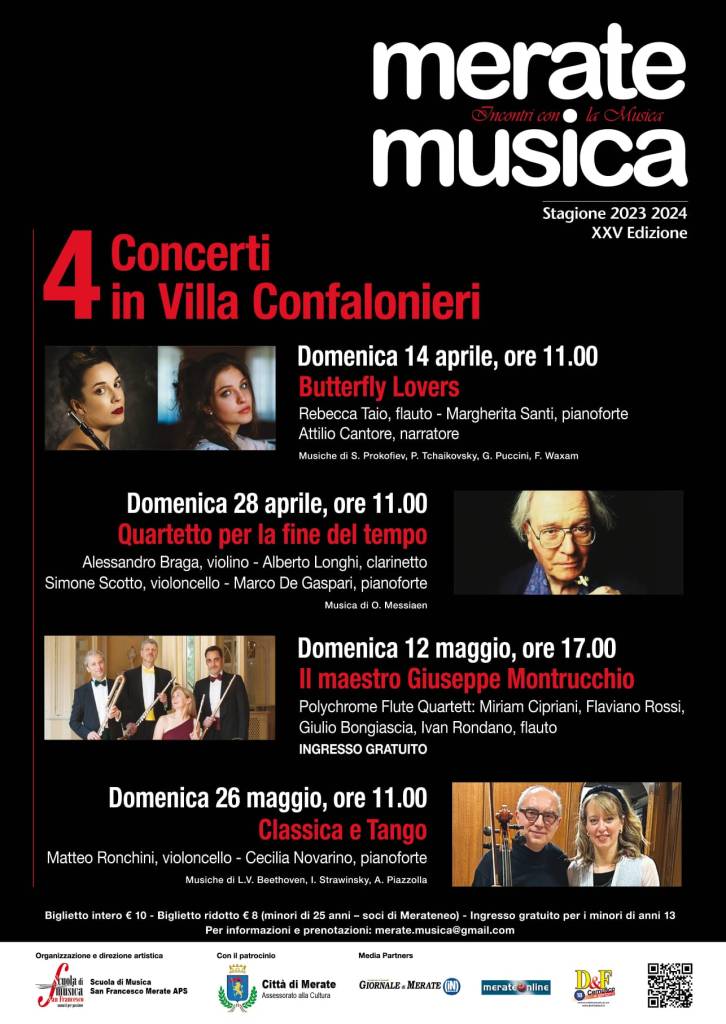
Butterfly Lovers è un programma simbolico che racconta una storia, una storia universale di unione e tensione tra l’essenza femminile e l’essenza maschile. È un susseguirsi di storie, vere e proprie leggende in musica, ognuna con le proprie particolarità, ambientazioni e culture, ma che narrano un tema umano senza confini, quello dell’Amore, ripercorso in un viaggio che parte e ritorna all’Oriente, passando per la Russia di Prokofiev e Tchaikovsky e soffermandosi nello spirito italiano di Giacomo Puccini.
Il concerto si apre con il Concerto “Butterfly Lovers” dei due compositori cinesi He Zhan-hao e Chen Gang, che nella Shanghai degli anni ’50 composero questa opera, unendo la tradizione musicale cinese con la scrittura compositiva occidentale. Chiari sono i richiami agli strumenti tradizionali come Ehru, Pipa e Liuqin, così come ai suoni dell’Opera cinese, con alcuni dei temi principali provenienti da melodie folkloristiche. La tragica leggenda su cui poggiano le note di He e Chen Gang è quella di Butterfly Lovers, gli amanti farfalla, Liang Shanbo e Zhu Yingtai, ambientata nel 200/300 a.C. durante la dinastia Jin. Un amore ostacolato che li porterà a un tragico epilogo: Liang morirà per disperazione e la sua amata Zhu, vista la tomba di Liang, pregherà per essere unita a lui. In uno scorcio di sovrannaturalità, la tomba si apre e la giovane Zhu vi si getta. I loro spiriti emergono in una coppia di farfalle che emergono e volano via, per sempre insieme.
Prokofiev scrive il balletto “Romeo e Giulietta” nel 1935 a Mosca, tratto dalla tragedia di Shakespeare, creando negli anni seguenti delle Suite per orchestra e la raccolta dei dieci pezzi op.75 per pianoforte. In questa versione per flauto e pianoforte, vengono presentati alcuni momenti chiave del racconto. Ogni brano è infatti caratterizzato da una precisa personalità, come Julia, la celebre Danza dei Cavalieri, la Scena del balcone con il dialogo tra Romeo e Giulietta, Mercuzio, il Duello e la morte di Tebaldo. La storia di Romeo e Giulietta, la cui fama non ha conosciuto confini, si conclude tragicamente.
Circa 50 anni prima, nel 1880, Tchaikovsky mette in musica il romanzo in versi di Pushkin “Evgeny Onegin”, con l’opera omonima, composta parzialmente in Italia, e messa in scena per la prima volta a Mosca. L’Aria di Lensky, inizialmente amico di Evgeny, è un brano di struggente bellezza. La vicenda, ambientata nella campagna di San Pietroburgo nel 1820, narra di Evgeny, giovane dandy, che stringe un’amicizia con il poeta Lensky, innamorato di Olga. Diversi sviluppi porteranno Lensky a sfidare a duello Evgeny, per aver tentato di sedurre Olga. Lensky morirà con un colpo di pistola da parte di Evgeny. Nell’Aria di Lensky, il protagonista attende il duello, angosciandosi per il proprio destino e per l’amicizia tradita.
Turandot Fantasy è una fantasia per flauto e pianforte, la cui premiere è avvenuta a Taiwan nel 2023. Raccoglie alcune delle più belle arie dell’opera di Giacomo Puccini, scritta tra il 1920 e il 1924. Il soggetto dell’opera ha origini antiche e indefinite. L’idea venne al compositore durante un soggiorno termale ai Bagni di Lucca, in cui incontrò il barone Fassini, suo amico già stato per qualche tempo console italiano in Cina. Attraverso un carillon originale cinese, egli gli fece ascoltare alcuni temi musicali provenienti dalla Cina, tra cui la canzone popolare Mo Li Hua, ovvero “Fiori di Gelsomino”. Il tema musicale ricorrerà più volte nell’opera, tra cui nel coro di voci bianche “Là sui Monti dell’Est, la cicogna cantò“. Il tema amoroso è in questa opera connotato da oscure tinte, incarnate dalla principessa Turandot, inizialmente algida e sanguinaria, che divverà poi una donna innamorata. L’amore è qui inteso come potere trasformativo. Non manca l’elemento dell’amore puro, che tende al sacrificio, attraverso il personaggio della schiava Liù, presente nella Turandot Fantasy.
Il personaggio di Madama Butterfly conclude il nostro percorso musicale. L’opera, ambientata a inizio ‘900 a Nagasaki, in Giappone, venne scritta da Puccini nel 1904. La famosa aria “Un bel dì Vedremo” vede la protagonista Cho-cho-San (dal giapponese “cho-cho” – farfalla, da qui Butterfly, e San – Madama, signora”), che cerca di illudere sè stessa e la propria cameriera Suzuki, che il marito americano partito tre anni prima per l’America, ritornerà per stare con lei e il figlio frutto della loro unione. La leggenda narra una tragica conclusione per la protagonista. Il marito tornerà per portare il bambino in America, lasciando la giovane nelle braccia della morte per disperazione. La purezza d’animo di Cho-cho-San simboleggia un amore nella forma più elevata: un atto di fede contro il destino.
Al flauto Rebecca Taio, al pianoforte Margherita Santi.
He Zhan-hao/Chen Gang: Butterfly Lovers Concerto
S.Prokofiev/Baich, Fletzberger: Suite da “Romeo e Giulietta”
P.I.Tchaikovsky/Braunstein: Aria di Lensky da Evgeny Onegin
G.Puccini/J.Franz: Turandot Fantasy
G.Puccini: Un bel dì Vedremo da Madama Butterfly
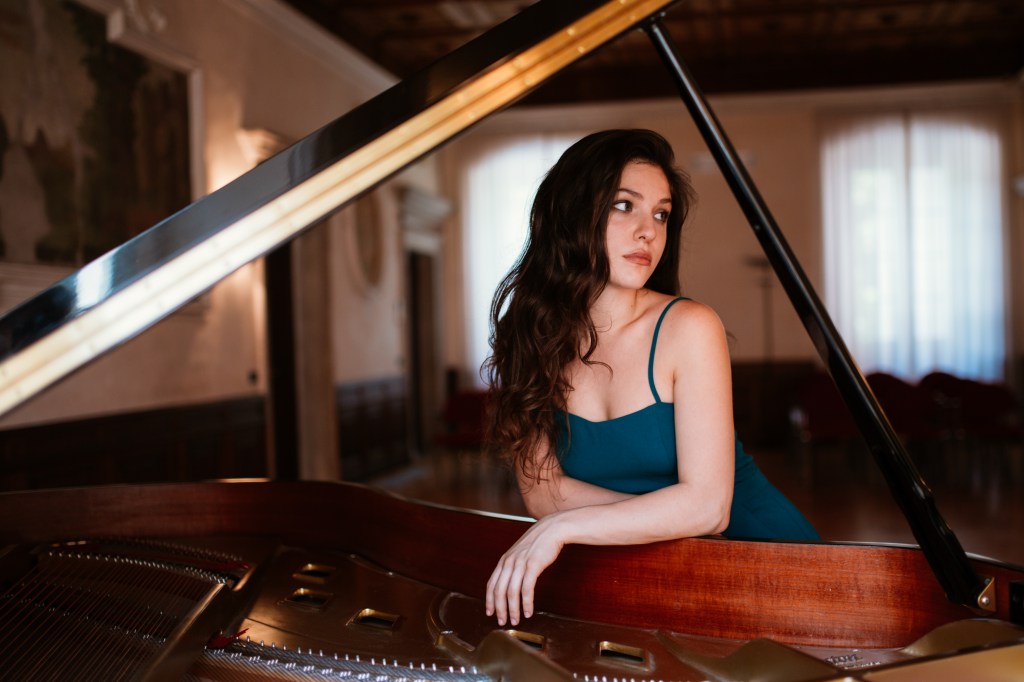

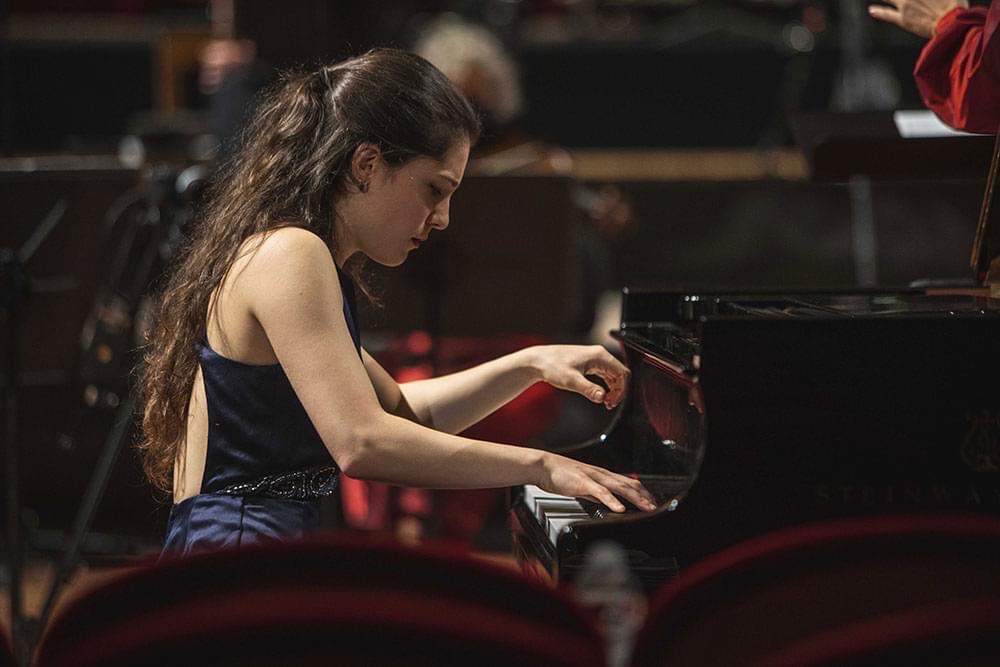
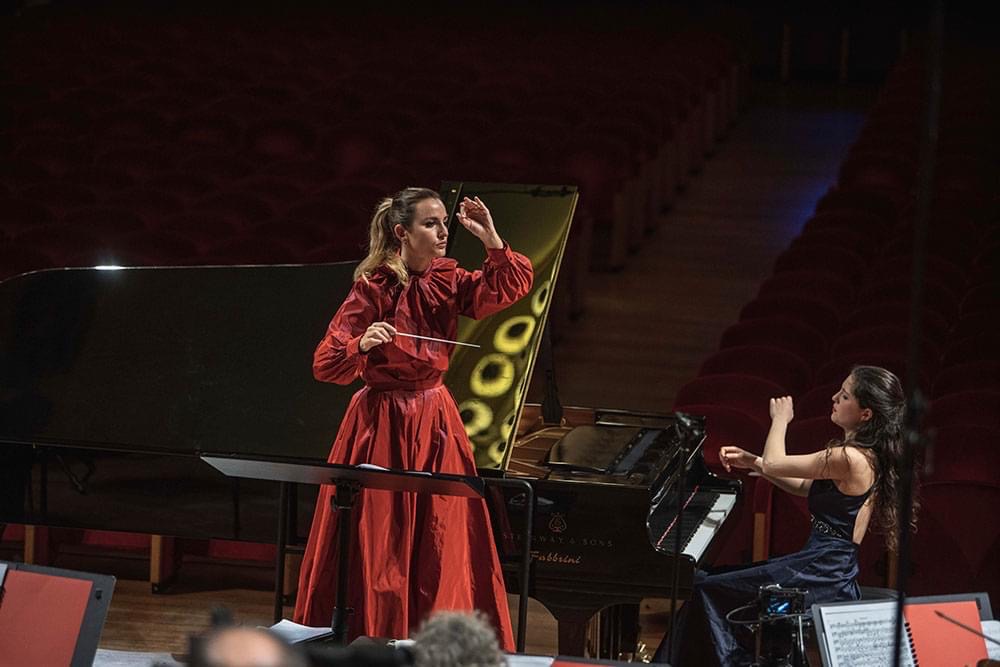
Stage photography by Marco Borelli


Una dettagliata intervista per Radio Mca – Associazione Musica con le Ali
A detailed interview for Radio Mca – Associazione Musica con le Ali
 Margherita Santi